Unlocking your potential to master new skills is often within reach, but a structured approach can elevate your learning experience. This comprehensive guide delves into the power of journaling as a dynamic tool for skill acquisition. From understanding the psychological benefits to implementing effective techniques, we’ll explore how to leverage your journal to track progress, identify challenges, and ultimately achieve your learning goals.
Discover the transformative potential of journaling in mastering any skill, whether it’s coding, playing an instrument, or mastering a new language.
This guide provides a step-by-step approach, encompassing essential aspects such as crafting a personalized journal template, implementing effective journaling techniques, and maintaining consistent motivation throughout your learning journey. We will cover various skill types and demonstrate practical applications of journaling, enabling you to tailor your approach to your specific needs. By the end, you’ll possess a practical roadmap to transform your learning process and maximize your potential for skill acquisition.
Understanding Journaling for Skill Acquisition

Journaling, when used strategically, can be a powerful tool for learning and mastering new skills. It goes beyond simply recording thoughts; it actively engages the mind in a reflective process that facilitates skill development. By consistently documenting experiences, insights, and challenges, individuals can gain valuable self-awareness and improve their approach to learning. This structured reflection can enhance the understanding of the skill and its application in real-world scenarios.Journaling for skill acquisition is not just about recording what happened, but about actively engaging with the learning process.
This reflective practice fosters deeper understanding, strengthens memory retention, and helps identify patterns and connections that might otherwise go unnoticed. By regularly documenting thoughts, feelings, and experiences related to the skill, individuals gain a richer perspective on their progress and areas needing improvement. This self-assessment is crucial for adapting learning strategies and maximizing effectiveness.
Definition of Journaling for Skill Acquisition
Journaling, in the context of skill acquisition, is a structured practice of recording thoughts, observations, and experiences related to the learning process. It encompasses detailed accounts of attempts, successes, failures, insights, and feelings surrounding the skill. This process fosters self-reflection and helps in understanding the complexities of skill development.
Psychological Benefits of Journaling for Skill Development
Journaling offers numerous psychological benefits for skill acquisition. It promotes self-awareness, enabling individuals to identify their strengths and weaknesses related to the skill. This self-assessment facilitates the development of personalized learning strategies, leading to faster and more effective skill acquisition. The process also enhances emotional regulation, allowing individuals to cope with challenges and setbacks in the learning journey.
Furthermore, journaling helps in building self-confidence and motivation, by providing a tangible record of progress and achievements.
Different Types of Journals Suitable for Skill Acquisition
Various journal formats can support skill acquisition. A common type is a daily log, where individuals document their daily activities related to the skill, noting successes, challenges, and reflections. Another approach involves a skill-specific journal, focusing solely on the learning process of a particular skill. A third type is a problem-solving journal, where individuals record and analyze problems encountered while applying the skill.
The choice of journal type depends on the specific skill and learning style.
Examples of Journaling for Skill Acquisition
A musician might use a journal to document practice sessions, noting specific exercises, difficulties encountered, and insights gained. A chef might record recipes, ingredient substitutions, and taste evaluations in their journal, reflecting on the success or failure of each attempt. An aspiring entrepreneur might document market research, customer interactions, and business decisions, noting successes and areas for improvement.
These examples demonstrate the versatility of journaling in diverse skill acquisition contexts.
Tracking Progress and Identifying Areas for Improvement
Journaling allows individuals to track their progress in acquiring a new skill. By reviewing previous entries, individuals can identify patterns of success and failure. They can analyze what worked well and what hindered progress, thereby enabling informed adjustments to learning strategies. This retrospective analysis allows individuals to identify specific areas needing improvement and develop targeted solutions for overcoming these obstacles.
Regular review of entries can highlight the growth and evolution in their skill level.
Comparison of Journal Types for Skill Acquisition
| Journal Type | Description | Pros | Cons |
|---|---|---|---|
| Daily Log | Records daily activities related to the skill, including practice sessions, challenges, and reflections. | Provides a comprehensive overview of the learning process. Easy to implement. | May become overwhelming if not focused. Might not provide detailed insights into specific skill elements. |
| Skill-Specific Journal | Concentrates on the specific skill’s learning process, detailing techniques, challenges, and progress. | Offers focused analysis of the skill’s nuances. Enables detailed tracking of progress. | Might feel restrictive if broader learning aspects are desired. |
| Problem-Solving Journal | Records problems encountered while applying the skill and analyses of solutions and results. | Focuses on the practical application of the skill. Excellent for troubleshooting. | May not cover all aspects of skill development. Requires significant analytical ability. |
Planning and Structuring Your Journal
A well-structured journal is crucial for effective skill acquisition. A meticulously designed template, coupled with consistent daily entries, weekly reviews, and monthly progress assessments, fosters a deeper understanding of your learning process and identifies areas needing improvement. This structured approach allows for targeted focus and provides a clear path towards achieving your skill development goals.
Journal Template Design
A dedicated journal template is essential for recording your learning journey. This template should be personalized to your specific skill and tailored to your learning style. For example, if learning to code, the template might include columns for code snippets, explanations, errors encountered, and solutions implemented. A template for learning a musical instrument could include columns for practice exercises, musical pieces attempted, performance observations, and challenges faced.
Daily Journal Entries
Consistent daily entries are vital for tracking progress and identifying patterns. A table format is recommended for clarity.
| Date | Activity | Observations | Challenges |
|---|---|---|---|
| 2024-10-27 | Coding Exercise 1: Basic HTML | Successfully created a simple webpage with header and paragraph elements. | Difficulty in aligning elements properly. |
| 2024-10-28 | Piano Practice: C Major Scale | Practiced the C major scale with good rhythm and intonation. | Finger coordination still needs improvement. |
This structured approach allows for easy tracking of your progress and helps identify patterns in your learning process.
Weekly Review Structure
Weekly reviews provide a comprehensive overview of your progress. These reviews should include a summary of your weekly activities, key observations, and any challenges encountered. The aim is to identify areas for improvement and refine your learning strategy.
- Summary of Weekly Activities: List all activities undertaken during the week, noting the time spent on each.
- Key Observations: Highlight significant progress, areas where you struggled, and any insights gained.
- Challenges Faced: Describe any hurdles or difficulties encountered, and note strategies employed to overcome them.
- Learning Adjustments: Based on observations and challenges, determine adjustments needed for the following week.
Setting Specific Learning Goals
Specific learning goals are essential for maintaining focus and tracking progress. These goals should be measurable and time-bound, helping to maintain motivation and track your journey effectively.
Examples of specific learning goals: “Write 50 lines of Python code this week,” or “Memorize 3 new musical scales by Friday.”
Monthly Progress Review
Monthly progress reviews provide a broader perspective on your skill acquisition. They allow you to assess your overall progress, identify areas for improvement, and adjust your learning plan accordingly. The review should include a summary of your monthly progress, identifying key milestones, challenges, and adjustments for the next month.
- Summary of Monthly Progress: Briefly Artikel the major achievements and areas of improvement over the month.
- Key Milestones: Highlight specific accomplishments that demonstrate progress, such as completing a project or mastering a technique.
- Challenges Encountered: Detail any significant obstacles or difficulties faced and the strategies employed to overcome them.
- Learning Plan Adjustments: Based on the monthly review, determine necessary adjustments to your learning plan for the following month.
- Example: If learning a language, include vocabulary learned, grammar points understood, and any challenges in conversation practice.
Problem-Solving Approach
A structured approach to journaling for problem-solving involves identifying the specific problem, documenting the steps taken to address it, recording the results, and reflecting on the effectiveness of the strategies used. This cyclical process of documenting, analyzing, and adapting is vital for developing a problem-solving mindset.
- Problem Identification: Clearly define the problem or challenge related to your skill development.
- Action Steps: Document the steps taken to address the problem, including resources used and time allocated.
- Results Analysis: Evaluate the outcomes of the implemented strategies, noting successes and areas for improvement.
- Reflection: Reflect on the process and identify any adjustments or alternative strategies for future problem-solving.
Effective Journaling Techniques
Effective journaling goes beyond simply recording thoughts; it’s a dynamic process that actively supports learning and skill development. By employing various journaling techniques, you can transform your journal from a passive record into a powerful tool for analyzing your progress, identifying obstacles, and ultimately mastering a new skill. This section will explore diverse methods, helping you tailor your journaling approach for optimal results.Understanding different journaling techniques allows for a personalized approach, maximizing the learning process.
Each method offers unique insights and advantages, making it crucial to experiment and find the techniques that best suit your learning style and the specific skill you’re acquiring.
Different Methods for Recording Learning
Journaling methods can be tailored to suit various learning styles and skill types. Experimentation is key to finding the most effective method for your needs. Different approaches can highlight different aspects of the learning process.
- Freewriting: This technique involves writing continuously about your learning experience without concern for grammar or structure. It allows for spontaneous expression, capturing fleeting insights and emotions related to the skill acquisition process. Freewriting helps uncover hidden patterns and associations, fostering a deeper understanding of your learning journey. For example, you might write about your frustrations with a specific aspect of coding, which may lead to identifying areas needing further focus.
- Mind Mapping: Visualizing your learning through mind maps can be highly effective. This involves creating a central concept (the new skill) and branching out to related ideas, sub-skills, and connections. Mind maps visually represent the relationships between different components of the skill, facilitating a holistic understanding and allowing for better comprehension of complex information. This is particularly useful for skills requiring a high degree of interconnected knowledge.
- Reflection: Regular reflection on your progress, challenges, and successes is crucial for growth. Ask yourself questions like: “What went well today?”, “What was challenging?”, and “What did I learn from this experience?” Reflecting on these questions provides insights into your learning patterns, helps you adjust your approach, and identifies key areas needing improvement. This structured approach fosters deeper learning and ensures you’re actively engaging with your experiences.
Identifying and Overcoming Challenges
Journaling can be a powerful tool for identifying and overcoming challenges during skill acquisition. By meticulously documenting obstacles, you can analyze patterns and develop strategies for improvement.
- Challenge Identification: Carefully record specific challenges you encounter. Don’t just write “I’m struggling,” instead, detail
-what* you’re struggling with. For example, “I’m having trouble understanding the syntax of this particular function in Python.” This specific detail will enable targeted problem-solving. - Analysis and Solutions: After documenting the challenge, analyze potential causes and propose solutions. Consider past experiences, resources you’ve used, and any feedback received. For instance, if you’re struggling with memorizing vocabulary, exploring different memory techniques and creating flashcards could be solutions.
- Tracking Progress: Regularly monitor your progress in addressing the identified challenges. Record your attempts at solutions and their effectiveness. This helps track the impact of interventions and adjust strategies as needed. This detailed approach will enable you to track the progress of your solution implementation.
Incorporating Feedback
Seeking and incorporating feedback is vital for skill development. Your journal can be a central hub for this process.
- Recording Feedback: Write down feedback you receive from peers, instructors, or mentors. Include the context of the feedback and how it relates to your learning. For example, “During my presentation, Sarah suggested I slow down my pace and use more visual aids. This feedback aligns with my goal of becoming a more engaging presenter.”
- Applying Feedback: Document your plan for implementing the feedback. This can include specific actions, timelines, and potential challenges. For example, “I will practice my presentation in front of a mirror for 30 minutes each day to work on my pacing.”
- Evaluating Effectiveness: Evaluate how the feedback impacted your performance. This helps you understand the value of different types of feedback and how to leverage them effectively in the future. For example, “Practicing my presentation in front of a mirror helped me improve my pacing and delivery, which is reflected in the positive feedback I received in my next presentation.”
Comparison of Journaling Methods
Different journaling methods cater to various learning preferences.
| Method | Strengths | Weaknesses |
|---|---|---|
| Freewriting | Spontaneous, unfiltered insights; explores diverse perspectives. | May lack structure; difficult to analyze complex issues. |
| Mind Mapping | Visual representation, facilitates understanding complex relationships. | Can be time-consuming for detailed concepts; less suitable for purely linear learning. |
| Reflection | Promotes critical thinking, identifies patterns in learning. | Requires conscious effort; may not be suitable for all learning styles. |
Visualization and Affirmations
Visualization and affirmations can be powerful tools for skill acquisition.
- Visualization: Imagine yourself successfully performing the skill. Visualize the steps, the outcome, and the feeling of accomplishment. This can build confidence and enhance your ability to perform the skill.
- Affirmations: Write positive affirmations related to your skill development. Repeating these affirmations reinforces positive beliefs and fosters a growth mindset. For example, “I am confident in my ability to learn this skill,” or “I am capable of mastering this skill.”
Common Challenges and Solutions
| Challenge | Journaling Strategy |
|---|---|
| Lack of Motivation | Record moments of inspiration and accomplishment. Identify triggers for motivation and create a support system. |
| Feeling Overwhelmed | Break down the skill into smaller, manageable steps. Prioritize tasks and celebrate milestones. |
| Difficulty Focusing | Identify distractions and create a dedicated learning environment. Schedule specific time slots for practice. |
| Resistance to Feedback | Acknowledge the validity of the feedback, even if it is challenging. Focus on the constructive aspects and potential benefits. |
Applying Journaling to Specific Skills
Journaling can be a powerful tool for acquiring and refining various skills. By meticulously recording your experiences, thoughts, and insights, you can gain a deeper understanding of your learning process and identify areas for improvement. This approach allows for self-reflection and fosters a more proactive learning style. This section will illustrate how journaling can be applied to specific skills, including language learning, coding, public speaking, musical instrument development, and athletic skill acquisition.
Applying Journaling to Language Learning
Effective language learning involves immersion, practice, and consistent effort. A language learning journal can serve as a valuable tool for tracking progress, documenting challenges, and celebrating successes. By writing about specific vocabulary, grammar points, and cultural nuances encountered, you can reinforce your understanding and actively engage with the new language. Include recordings of your pronunciation, noting areas needing improvement.
Regularly reviewing your journal entries can help identify patterns and tailor your study plan accordingly. For example, you might journal about a specific conversation, noting any grammatical errors or vocabulary gaps.
Applying Journaling to Coding
Learning to code requires a methodical approach and a strong understanding of problem-solving. A coding journal can be used to document code snippets, debug errors, and reflect on the thought process behind each solution. This can help you solidify concepts and develop a stronger understanding of programming logic. Record the challenges encountered, including the steps you took to overcome them.
This process fosters a stronger problem-solving approach and reinforces understanding of core coding principles. For instance, journal entries could detail the steps involved in debugging a specific error, the rationale behind certain code choices, and the specific knowledge gaps identified during the debugging process.
Applying Journaling to Public Speaking
Public speaking skills can be significantly enhanced through consistent practice and self-reflection. A public speaking journal can be a valuable tool for recording speech preparations, rehearsals, and performance analyses. Record your feelings, anxieties, and triumphs. Analyze your delivery, noting strengths and areas needing improvement. Consider the audience’s response, noting how you might adapt your approach in future presentations.
For example, if you are preparing for a presentation, you might journal about the specific points you want to make, the anticipated questions from the audience, and the specific strategies you will employ to ensure a smooth and impactful delivery.
Applying Journaling to Musical Instrument Development
Learning a musical instrument requires dedication, practice, and patience. A journal can help track progress, document challenges, and maintain motivation. Record practice sessions, noting specific exercises or pieces practiced. Reflect on feelings of frustration or accomplishment, noting strategies for maintaining focus. Analyze your performance and identify areas for improvement.
For example, you could record your practice sessions, noting the specific exercises or pieces you played and the time spent on each. You could also reflect on your feelings, noting what motivated you and what challenges you faced.
Applying Journaling to Learning a New Sport or Physical Skill
Learning a new sport or physical skill demands consistent effort and targeted practice. A journal can help track progress, record exercises, and reflect on the process of skill acquisition. Document the physical sensations, mental focus, and emotional responses during practice sessions. Regularly review your entries to identify patterns and refine your approach. Analyze what worked well and what needed improvement.
For example, if you are learning to play tennis, you could journal about specific drills practiced, noting the areas where you excelled and the areas that needed further work. This would also include tracking your physical sensations during the practice sessions.
Table of Skill Types and Journaling Implementation
| Skill Type | Journaling Implementation |
|---|---|
| Language Learning | Record vocabulary, grammar points, pronunciation challenges, cultural insights, and conversational experiences. |
| Coding | Document code snippets, debug errors, record problem-solving strategies, and reflect on the thought process behind solutions. |
| Public Speaking | Record speech preparations, rehearsals, performance analyses, emotional responses, audience reactions, and strategies for improvement. |
| Musical Instrument | Document practice sessions, exercises, pieces played, emotional responses, performance analyses, and areas for improvement. |
| New Sport/Physical Skill | Document practice sessions, exercises, physical sensations, mental focus, emotional responses, and areas for improvement. |
Maintaining Consistency and Motivation
Cultivating a consistent journaling practice for skill acquisition requires a multifaceted approach. Simply starting a journal isn’t enough; the key lies in establishing routines and strategies that support sustained engagement. This section explores techniques for maintaining momentum, overcoming procrastination, and integrating journaling into your daily life, all aimed at maximizing learning outcomes.Maintaining a consistent journaling practice for skill development involves several key strategies.
Procrastination and a lack of motivation are common obstacles. Developing a routine that incorporates journaling and understanding the benefits of consistent practice can help overcome these challenges.
Establishing a Consistent Routine
Consistency is paramount for skill development. Establishing a regular journaling schedule, like dedicating a specific time each day or week, fosters habit formation. Consistency doesn’t necessitate rigid adherence to a schedule; it’s more about creating a dependable framework for engagement. Experiment with different timings and frequencies to discover what works best for your personal rhythm.
Overcoming Procrastination
Procrastination often stems from a perception of the task as daunting or unpleasant. Breaking down the journaling process into smaller, more manageable steps can alleviate this feeling. For instance, setting a timer for a short, focused journaling session can make the task seem less overwhelming. Another technique is to associate journaling with an enjoyable activity, like listening to calming music or enjoying a cup of tea.
Integrating Journaling into Your Daily Routine
Integrating journaling into your daily routine can be achieved through various methods. For example, allocating a specific time slot in your daily planner for journaling can enhance its priority. Furthermore, pairing journaling with existing routines, such as after completing a workout or before bed, can make it an integral part of your daily life.
Motivational Strategies in the Journal
Including motivational strategies within the journal can significantly enhance engagement. Visual aids, such as progress charts or skill development timelines, can be used to track progress and foster a sense of accomplishment. Reflecting on past successes and acknowledging personal growth can further motivate continued practice. Using affirmations and positive self-talk can bolster confidence and create a positive learning environment.
A simple entry like “I am proud of the progress I’ve made today” can serve as a powerful reminder.
Daily Habits Supporting Skill Development
| Daily Habit | Description |
|---|---|
| Morning Reflection | Start the day by reflecting on your goals and intentions related to skill development. |
| Evening Review | Conclude the day by summarizing your progress, challenges encountered, and lessons learned. |
| Dedicated Journaling Time | Schedule specific time slots for focused journaling practice. |
| Gratitude Journaling | Reflect on positive aspects of the day, including aspects related to your skill development. |
| Skill-Specific Journaling | Dedicate journal entries to specific skill-related tasks and challenges. |
This table Artikels daily habits designed to integrate journaling into your daily routine, making it a powerful tool for skill development.
Preventing Burnout and Maintaining a Positive Learning Experience
Burnout can occur if the learning process becomes overly demanding or feels like a chore. Recognizing and acknowledging these feelings is crucial. Setting realistic goals and avoiding perfectionism are essential to maintain a positive learning experience. Regular breaks, relaxation techniques, and periodic reviews of progress can prevent feelings of overwhelm and maintain motivation. Journaling can also serve as a space to express these feelings and find healthy coping mechanisms.
It’s important to remember that the learning process should be enjoyable and fulfilling.
Reviewing and Reflecting on Your Progress
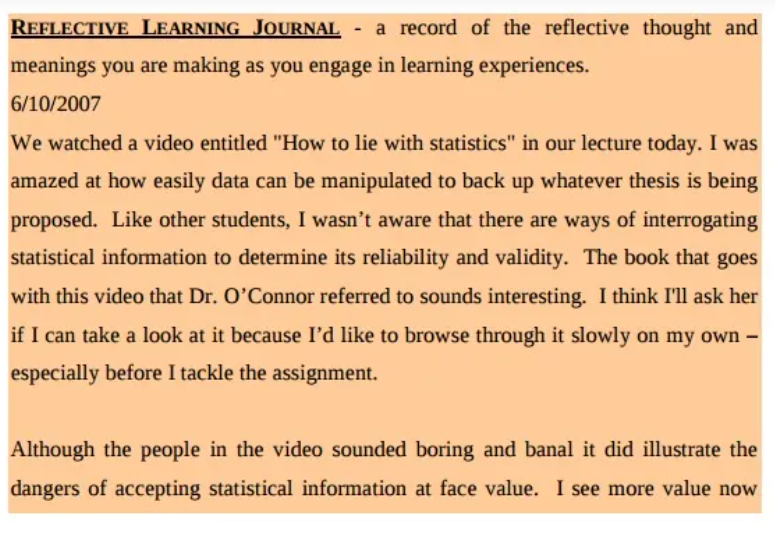
Regularly reviewing your journal entries is crucial for understanding your skill acquisition journey and making informed adjustments to your learning approach. This process allows you to identify patterns, track progress, and celebrate milestones, ultimately leading to more efficient and effective learning. By analyzing your entries, you gain valuable insights into your strengths, weaknesses, and areas needing further development.Effective review methods enable you to identify key learnings and adjust your learning strategies for better outcomes.
This proactive approach maximizes your potential for skill mastery.
Analyzing Journal Entries for Patterns and Trends
Reviewing your journal entries helps you recognize patterns and trends in your skill development. Careful analysis can reveal recurring challenges, periods of significant progress, or specific learning strategies that prove particularly effective. This knowledge is instrumental in adapting your approach to maximize your learning outcomes.
Methods for Evaluating Progress
Evaluating your progress involves comparing your initial goals and expectations with your current understanding and skill level. This assessment can be qualitative, focusing on your perceived improvement, or quantitative, relying on specific metrics like practice hours or scores on assessments. A combination of both approaches often provides the most comprehensive evaluation. By correlating your journal entries with these metrics, you can gain a clearer picture of your progress.
Questions to Ask Yourself During Journal Reviews
Asking focused questions during your journal review can significantly enhance your self-reflection. Consider inquiring about your motivation levels, the effectiveness of your learning strategies, and any adjustments needed to your routine. These self-reflective questions allow you to identify potential roadblocks or areas where you can optimize your efforts. Examples of such questions include: “What specific aspects of my learning process have proven most effective?”, “What challenges did I encounter, and how did I overcome them?”, “How have my learning strategies changed over time?”, and “Are there any areas where I need to adjust my learning routine?”
Adjusting Learning Strategies Based on Progress
Your journal entries provide a valuable record of your learning journey, allowing you to identify areas where your learning strategies need adjustment. If you’ve identified a specific learning strategy that has been ineffective, you can explore alternatives or adapt your current approach to better suit your needs. This flexibility and adaptability are key to achieving mastery of a skill.
Quarterly Skill-Learning Journal Review Template
A quarterly review template helps structure your reflection and identify significant trends over longer periods. This organized approach enables you to track progress over time.
| Date | Skill Focus | Key Learning Points | Challenges Encountered | Strategies Implemented | Progress Assessment | Next Steps |
|---|---|---|---|---|---|---|
| [Date] | [Skill Focus] | [Key Learning Points] | [Challenges Encountered] | [Strategies Implemented] | [Progress Assessment] | [Next Steps] |
This template allows for a structured review of your progress over the past three months. By documenting key learning points, challenges, and implemented strategies, you gain a holistic view of your skill development.
Celebrating Milestones in Skill Acquisition
Recognizing and celebrating milestones is crucial for maintaining motivation and reinforcing positive learning habits. Dedicate space in your journal to document and acknowledge these achievements. This proactive approach to recognition can significantly boost your confidence and drive. By acknowledging your successes, you build momentum and further motivate yourself to continue learning. Consider writing a brief reflection on what led to the milestone, how it felt to achieve it, and what you learned.
Summary

In conclusion, this guide has explored the profound impact of journaling on skill development. By integrating journaling into your learning routine, you gain a powerful tool to track progress, analyze challenges, and ultimately achieve your learning goals. We’ve covered diverse techniques, templates, and practical examples to illustrate the versatility and effectiveness of journaling. Ultimately, your personalized approach to journaling, coupled with consistent effort, will empower you to master any new skill you choose.
Embark on your learning journey with confidence, knowing you have the tools and techniques to succeed.