Maintaining a clean and organized home is crucial for a healthy and happy living environment. However, creating a cleaning schedule that you can consistently follow can often seem daunting. This comprehensive guide breaks down the process, providing practical strategies and actionable steps to help you design a cleaning schedule tailored to your specific needs and lifestyle. From understanding your home’s layout to implementing a flexible routine, we’ll equip you with the tools and resources necessary to conquer clutter and maintain a sparkling home.
This guide delves into the key aspects of effective cleaning schedule planning, covering everything from assessing your lifestyle and home environment to incorporating family members and utilizing various organizational tools. We’ll explore different cleaning frequencies, task prioritization, and methods for overcoming procrastination, enabling you to create a personalized schedule that fits seamlessly into your daily life.
Understanding Your Needs and Lifestyle
Creating a cleaning schedule that works for you requires a deep understanding of your individual needs and lifestyle. This personalized approach ensures that the schedule is manageable and sustainable, preventing feelings of overwhelm and frustration. A well-tailored cleaning routine should align seamlessly with your daily activities and commitments.Effective cleaning schedules are not one-size-fits-all. They are customized to reflect the specifics of your living situation and preferences.
By considering the factors Artikeld below, you can create a plan that promotes a clean and healthy home without feeling constantly burdened by chores.
Factors to Consider When Creating a Cleaning Schedule
A successful cleaning schedule hinges on a careful consideration of various factors. Understanding your lifestyle, the size and layout of your home, and the frequency of specific tasks are all crucial elements in creating a routine that works for you. This process involves more than just listing tasks; it’s about strategizing for efficient cleaning.
- Lifestyle: Your lifestyle significantly impacts your cleaning needs. A single person, for instance, might clean their home less frequently than a family with young children. A couple with pets might require a more rigorous schedule for maintaining cleanliness compared to a couple without pets.
- Household Members: The number of people living in your home dictates the frequency of certain tasks. Families with young children will likely need to clean high-traffic areas more often. A larger household will necessitate more time and effort allocated to cleaning.
- Pet Ownership: Pet owners often need a cleaning schedule that accounts for pet hair, dander, and potential messes. This may include daily or more frequent vacuuming, spot cleaning, and washing of pet bedding.
- Home Size and Layout: The size and layout of your home play a key role in establishing an effective cleaning schedule. A larger home with many rooms will require more time and effort compared to a smaller one. The location of rooms and their use will also influence the frequency of cleaning. For example, a kitchen with an island might require more frequent cleaning than a kitchen without one.
- Personal Preferences: Your personal preferences and tolerance for mess should be factored into the schedule. Some people prefer a sparkling clean home every day, while others might be content with a more relaxed approach. Understanding your personal standards for cleanliness will allow you to create a schedule that aligns with your expectations.
Cleaning Needs Based on Lifestyle
Different lifestyles require varying levels of cleaning frequency. Adjusting your cleaning routine to your specific situation will ensure it’s sustainable and effective.
- Single Person: A single person typically requires less frequent cleaning compared to a larger household. Focus on cleaning high-use areas, like the bathroom and kitchen, a couple of times a week. Regular dusting and vacuuming can be scheduled weekly.
- Couple: A couple’s cleaning needs often fall between a single person and a family. More frequent cleaning of shared areas like the kitchen and bathroom is advisable. Daily or twice-weekly cleaning might be appropriate.
- Family with Young Children: Families with young children require a more intensive cleaning schedule. High-traffic areas, like the kitchen, bathrooms, and play areas, need more frequent cleaning to maintain a clean environment.
Assessing Home Size and Layout
Understanding the size and layout of your home is critical to developing a practical cleaning routine. This involves considering the square footage, the number of rooms, and how frequently different areas are used.
- Home Size: The size of your home directly impacts the time required for cleaning. Larger homes necessitate more time and effort to maintain cleanliness.
- Room Layout: The layout of your home influences the cleaning sequence. Some rooms might be cleaned more frequently than others due to their use or location.
Common Cleaning Tasks and Frequency
A well-structured cleaning schedule includes a variety of tasks performed at different frequencies. Consistency is key to maintaining a clean and healthy living space.
- Dusting: Dusting should be done regularly, at least weekly, to prevent the accumulation of dust and allergens. High-traffic areas, like furniture and shelves, may need dusting more frequently.
- Vacuuming: Vacuuming should be done at least twice a week to remove dirt and debris from floors. High-traffic areas may need more frequent vacuuming.
- Bathroom Cleaning: Bathrooms should be cleaned at least once a week to prevent the buildup of grime and bacteria. This includes cleaning the toilet, sink, shower, and bathtub.
- Kitchen Cleaning: Kitchens should be cleaned daily to maintain cleanliness and prevent the spread of germs. This includes cleaning countertops, sinks, and appliances.
Cleaning Frequency Suggestions
This table offers a comparison of cleaning frequency suggestions for various rooms in a house. These are general guidelines and may need adjustment based on individual needs and lifestyle.
| Room | Daily | Weekly | Monthly |
|---|---|---|---|
| Kitchen | Countertops, sinks, appliances | Cabinets, floors, stovetop | Refrigerator, oven, microwave |
| Bathroom | Sink, toilet | Tub/shower, floors, mirrors | Grout, fixtures, exhaust fan |
| Bedrooms | Beds, nightstands | Floors, closets, dresser | Cleaning deep closets, window treatments |
| Living Room | Coffee table, end tables | Floors, sofas, chairs | Deep cleaning carpets, window treatments |
| Hallways | Hallway tables, floor | Walls, mirrors, stairs | Cleaning vents, deep cleaning walls |
Creating a Realistic Cleaning Schedule
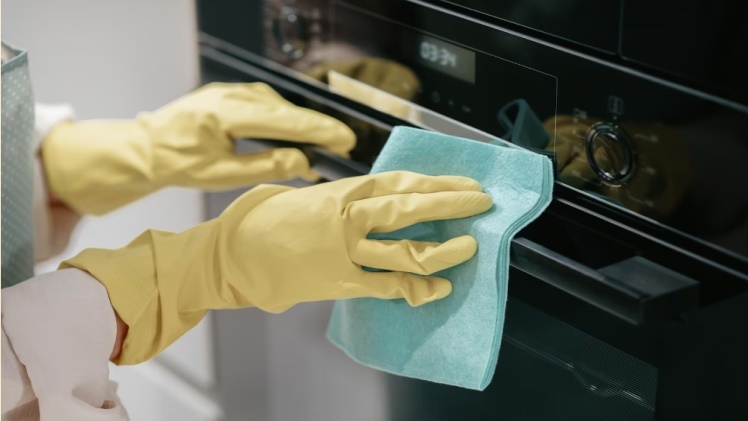
A well-structured cleaning schedule is crucial for maintaining a clean and organized home. A realistic schedule, tailored to your specific needs and lifestyle, ensures you dedicate sufficient time and effort to maintaining your desired standard of cleanliness without feeling overwhelmed. This approach will promote a sustainable cleaning routine, making it an integral part of your lifestyle rather than a daunting chore.Understanding your cleaning needs and lifestyle is the foundation for a successful cleaning schedule.
This involves identifying your personal priorities, frequency of use of different areas, and the resources available to you. By acknowledging these factors, you can develop a schedule that aligns with your unique circumstances, resulting in a more satisfying and manageable cleaning routine.
Breaking Down Large Tasks
To prevent feeling overwhelmed by large cleaning tasks, it’s essential to break them down into smaller, more manageable steps. This approach allows for a more gradual and controlled progression through the cleaning process. For example, instead of attempting to clean the entire kitchen in one go, dedicate specific time slots to cleaning different areas like the countertops, the sink, the stovetop, and the refrigerator.
This strategy transforms a potentially daunting task into a series of manageable steps.
Prioritizing Tasks
Prioritization is a key element of effective cleaning scheduling. Differentiating between tasks based on their importance and urgency is critical. Important tasks contribute to the overall cleanliness and well-being of your home, while urgent tasks require immediate attention due to their impact or time sensitivity. A well-defined prioritization strategy helps focus your efforts on tasks that matter most, preventing unnecessary delays and optimizing your cleaning time.
For instance, if the kitchen sink is visibly dirty, that is urgent. Dusting the bookshelf is important but not urgent.
Sample Cleaning Schedule Template
A template can be a valuable tool for organizing and visualizing your cleaning tasks. This template can be easily adapted to fit your individual needs and preferences. A flexible structure enables adjustments as your schedule or cleaning requirements change. The template should include columns for the day of the week, the time allocated, the specific cleaning task, and any notes.
Using color-coding can make the template even more user-friendly and visually appealing.
Daily, Weekly, and Monthly Cleaning Tasks
| Category | Task | Time Allocation (approx.) |
|---|---|---|
| Daily | Quick wipe-down of kitchen counters, sink, and bathroom surfaces | 15 minutes |
| Daily | Empty trash cans, and recycling bins | 5 minutes |
| Weekly | Vacuuming and mopping floors | 30-45 minutes |
| Weekly | Cleaning bathrooms (toilets, sinks, showers) | 30-45 minutes |
| Weekly | Washing dishes, and loading dishwasher | 30-45 minutes |
| Monthly | Deep cleaning of kitchen appliances (oven, refrigerator) | 1-2 hours |
| Monthly | Cleaning of baseboards and dusting of hard-to-reach areas | 1-2 hours |
Incorporating Flexibility
A cleaning schedule should be adaptable to accommodate unexpected events or changes in your routine. Flexibility is essential for maintaining a sustainable cleaning routine. A buffer period of time can be built into the schedule for unexpected interruptions or additional tasks that arise. For instance, if a guest arrives unexpectedly, you can adjust the schedule to address the additional cleaning needs.
Implementing and Maintaining the Schedule
Successfully establishing a cleaning schedule is a significant step toward a cleaner and more organized home. However, simply creating the schedule is only half the battle. Sustaining it requires consistent effort and strategic approaches to motivation, overcoming obstacles, and adapting to life’s changes. This section will explore practical strategies to help you maintain your cleaning schedule.Successfully implementing and maintaining a cleaning schedule requires a proactive approach that considers both the individual’s needs and the potential challenges.
The key is to create a routine that is manageable and enjoyable, fostering consistency rather than feeling like a chore.
Motivating Yourself to Stick to the Schedule
Maintaining a cleaning schedule often requires sustained motivation. Strategies for staying on track include establishing clear goals, associating cleaning with positive rewards, and acknowledging personal achievements. Breaking down large tasks into smaller, more manageable steps can also significantly boost motivation. A sense of accomplishment from completing smaller tasks can build momentum toward completing larger tasks.
Overcoming Procrastination and Avoiding Feeling Overwhelmed
Procrastination is a common obstacle in maintaining any routine. Techniques for overcoming this include time management strategies, setting realistic expectations, and recognizing the benefits of regular cleaning. Breaking down large cleaning tasks into smaller, more manageable daily or weekly tasks can make the overall effort feel less daunting. Prioritizing tasks based on importance and urgency can further enhance efficiency and reduce the feeling of being overwhelmed.
For instance, tackling a small area of the house each day, such as one room or one surface, can make the task feel less intimidating and more achievable.
Adjusting the Schedule as Your Needs Change
Life circumstances inevitably change, requiring flexibility in the cleaning schedule. Regularly reviewing and updating the cleaning schedule to accommodate changes in lifestyle, such as new family members, increased workload, or vacations, is crucial for maintaining its effectiveness. This involves a proactive approach of assessing changes and making necessary modifications to maintain a balance between cleanliness and personal well-being.
For example, if a family member becomes ill, the schedule might need to be adapted to include more frequent cleaning of shared areas and potentially additional cleaning of specific items.
Incorporating Family Members into the Routine
Involving family members in the cleaning routine fosters a sense of shared responsibility and can significantly lighten the load for the primary caregiver. This approach can include assigning specific tasks based on age and ability, creating a family cleaning chart, and encouraging participation through positive reinforcement. A family meeting to discuss the cleaning schedule, the responsibilities of each family member, and the rewards for completed tasks can be beneficial.
Rewards for Completing Cleaning Tasks
Reward systems can reinforce positive behavior and create a sense of accomplishment. These can be tangible, such as a small treat or a favorite movie, or intangible, such as a relaxing evening or a moment of personal reflection. Rewards should be aligned with individual preferences and contribute to a sense of enjoyment associated with cleaning. For instance, a family could collectively earn a special treat or outing when all scheduled cleaning tasks are completed for a week.
A personalized reward system can make the process more engaging and less like a chore.
- Tangible Rewards: Small treats, favorite snacks, or a pre-determined small amount of money.
- Intangible Rewards: Extra time for hobbies, a relaxing bath, or an enjoyable activity.
- Family Rewards: A family outing, a special dinner, or a collectively earned privilege.
Tools and Resources for Organization
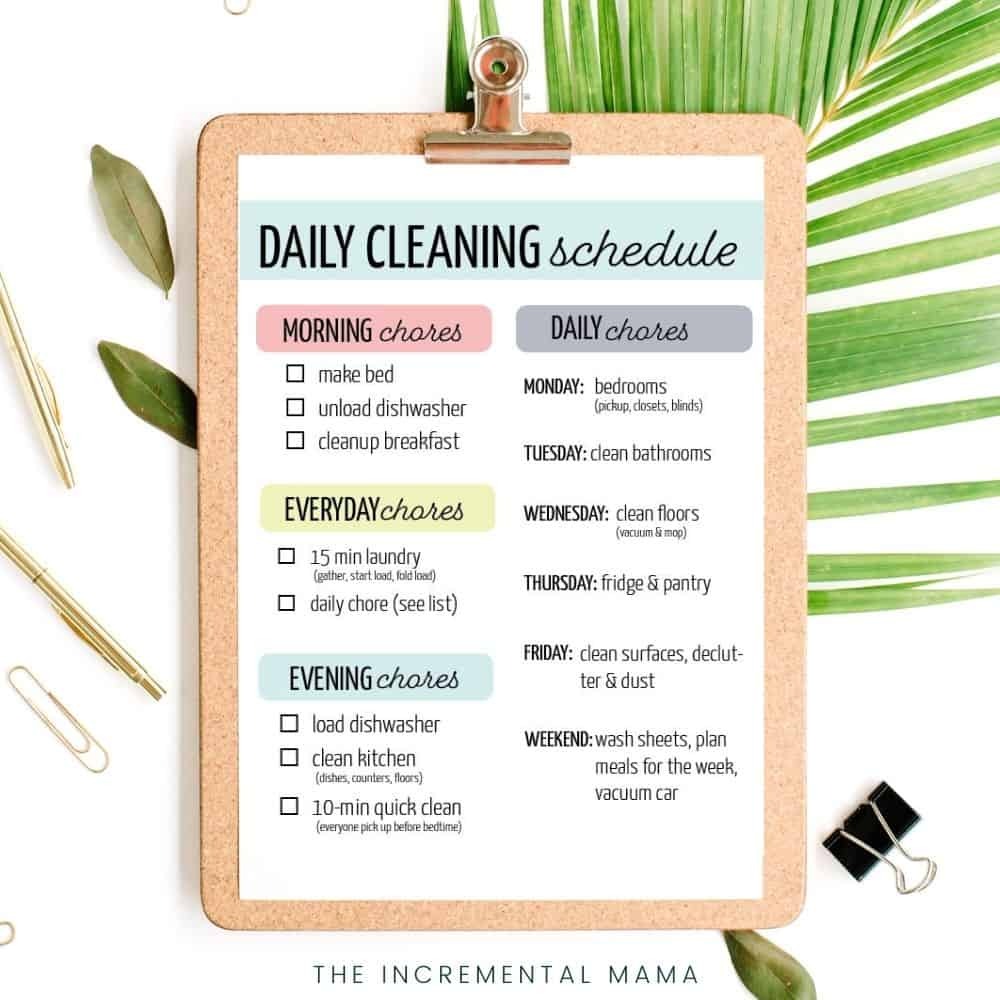
Planning a cleaning schedule that you can stick to requires more than just a calendar; it needs practical tools and resources to support your efforts. Effective organization is key to achieving and maintaining a clean and comfortable home. This section explores various tools and resources to streamline your cleaning process and make it more manageable.A well-structured cleaning plan, coupled with the right tools, can significantly improve the efficiency and effectiveness of your cleaning routine.
Using checklists, apps, and visual aids can make the schedule more engaging and easier to follow, ultimately leading to better results.
Cleaning Checklists and Apps
Using checklists or apps to track your cleaning progress can be invaluable for staying on top of your schedule. Checklists provide a tangible record of completed tasks, helping you feel a sense of accomplishment and reinforcing good habits. Apps can offer additional features such as reminders, progress tracking, and even automated scheduling, making the process more streamlined. These tools allow you to personalize your schedule and customize tasks to fit your specific needs.
Comparison of Cleaning Products
A well-informed approach to cleaning involves understanding the effectiveness of different products. Choosing the right products is essential for achieving your desired cleaning results. A comparison table can be a helpful tool in this process.
| Cleaning Product | Surface Type | Effectiveness (1-5, 5 being highest) | Pros | Cons |
|---|---|---|---|---|
| Baking soda | Most surfaces (except delicate finishes) | 4 | Natural, affordable, versatile | May leave residue on some surfaces |
| White vinegar | Most surfaces (except delicate finishes) | 4 | Natural, effective disinfectant, inexpensive | Can damage some finishes, strong odor |
| Commercial all-purpose cleaner | Most surfaces (except delicate finishes) | 3 | Convenience, readily available | Often contains harsh chemicals, potential health concerns |
| Glass cleaner | Glass, mirrors | 5 | Specifically formulated for glass, streak-free | May not be suitable for other surfaces |
Note: Effectiveness ratings are subjective and may vary depending on the specific product and surface. Always test cleaning products on a small, inconspicuous area before applying them to larger surfaces.
Visual Aids for Visualization
Visual aids, such as calendars and whiteboards, can help you visualize your cleaning schedule and stay on track. A calendar can provide a high-level overview of your weekly or monthly cleaning plan, while a whiteboard can be used for a more detailed breakdown of tasks for each day or week. Using visual aids can improve your organization and provide a clear, at-a-glance view of your cleaning schedule.
Leveraging Technology for Automation
Smart home devices can automate or simplify some cleaning tasks. For example, robotic vacuum cleaners can handle routine floor cleaning, while smart lighting systems can create a pleasant atmosphere during cleaning. These technologies can free up your time and allow you to focus on other tasks. For example, smart sprinklers can be set to water your lawn automatically, freeing you up to clean the house without having to water your lawn.
Websites and Apps for Templates and Tips
Numerous websites and apps provide cleaning schedule templates and helpful tips. These resources can offer valuable insights into organizing cleaning tasks and can provide inspiration for designing a plan that works best for you.
- Cleaning schedule templates: Many websites dedicated to home organization offer free templates for cleaning schedules, tailored to different needs and preferences.
- Cleaning tips and tricks: These resources often include practical tips and tricks for optimizing cleaning tasks and saving time. For example, some tips include how to pre-treat stains before scrubbing them, using the right tools for the job, and optimizing the order of tasks.
- Cleaning apps: Some cleaning apps provide detailed cleaning checklists and reminders to help you stay on track.
Deep Cleaning and Maintenance

A well-maintained home is a healthy home. Regular deep cleaning, beyond the usual weekly or bi-weekly routines, plays a crucial role in maintaining a clean and hygienic living environment. This deeper level of cleaning tackles accumulated dirt, dust, and grime, preventing the buildup of allergens and promoting a healthier atmosphere for all occupants.Deep cleaning involves a more thorough approach than typical cleaning.
It necessitates a focused effort to remove hidden dirt and address specific areas that accumulate dust or grime more readily. This proactive approach prevents the deterioration of surfaces, extends the life of appliances, and fosters a more pleasant and hygienic living space. Implementing a regular deep cleaning schedule is essential for sustained cleanliness and the well-being of household members.
Importance of Deep Cleaning
Deep cleaning is vital for maintaining a healthy and hygienic living environment. It tackles the hidden dirt and grime that regular cleaning may miss, reducing the accumulation of dust mites, allergens, and bacteria. This thorough approach promotes a healthier indoor air quality and reduces the risk of health issues associated with a dirty home environment.
Incorporating Deep Cleaning into the Schedule
A well-structured cleaning schedule should incorporate deep cleaning sessions. These sessions can be scheduled monthly or quarterly, depending on the needs and lifestyle of the household. It’s important to allocate sufficient time for deep cleaning each room, ensuring thoroughness. A suggested approach involves breaking down the deep cleaning tasks into smaller, manageable steps, focusing on one room or area at a time.
This method minimizes stress and maximizes efficiency.
Addressing Stains and Messes
Addressing stains and messes promptly is crucial for preventing their further penetration into surfaces. Prompt action prevents the stain from setting in and becoming more difficult to remove. Different materials require different cleaning methods. For instance, fabric stains may require specialized stain removers, while hard surface stains might benefit from specific cleaning solutions or scrubbing techniques. Always test any cleaning solution in an inconspicuous area first to avoid damaging the surface.
Specific stain removal methods can be researched based on the type of stain and material involved.
Preventative Maintenance Tasks
Implementing preventative maintenance tasks can significantly reduce the frequency and severity of cleaning tasks. These tasks focus on proactively preventing dirt and grime buildup. Examples include regularly wiping down surfaces, dusting frequently, and promptly addressing spills. These proactive steps maintain a cleaner home and reduce the need for extensive deep cleaning sessions. By anticipating potential messes and implementing preventive measures, significant time and effort can be saved.
- Regular Surface Wiping: Daily or weekly wiping down of surfaces such as countertops, tables, and doorknobs prevents the accumulation of dust and grime, thus reducing the need for more intensive cleaning later.
- Regular Vacuuming/Mopping: Consistent vacuuming and mopping helps maintain the cleanliness of floors, preventing the buildup of dirt and allergens.
- Prompt Spill Cleanup: Addressing spills promptly is critical to prevent staining and the need for more extensive cleaning later.
- Dusting: Regular dusting of furniture, shelves, and other surfaces prevents dust accumulation, maintaining a cleaner environment.
Suggested Deep Cleaning Schedule
The following table provides a suggested schedule for deep cleaning different rooms of the house. This schedule is a guideline and can be adjusted based on individual needs and preferences.
| Room | Frequency | Tasks |
|---|---|---|
| Kitchen | Monthly | Clean appliances (oven, microwave, refrigerator), clean cabinets, wipe down counters, clean sinks and faucets, scrub floors |
| Bathrooms | Bi-Monthly | Clean shower/tub, scrub grout, clean toilets, clean sinks and faucets, clean mirrors, scrub floors |
| Bedrooms | Quarterly | Clean or wash bedding, clean closets, dust furniture, vacuum/mop floors, clean windowsills |
| Living Room | Quarterly | Dust furniture, vacuum/mop floors, clean windowsills, clean or wash upholstery, deep clean rugs |
| Other Rooms (e.g., Office, Study) | Quarterly | Dust surfaces, vacuum/mop floors, clean shelves, empty and organize drawers, clean windows |
Cleaning Specific Areas
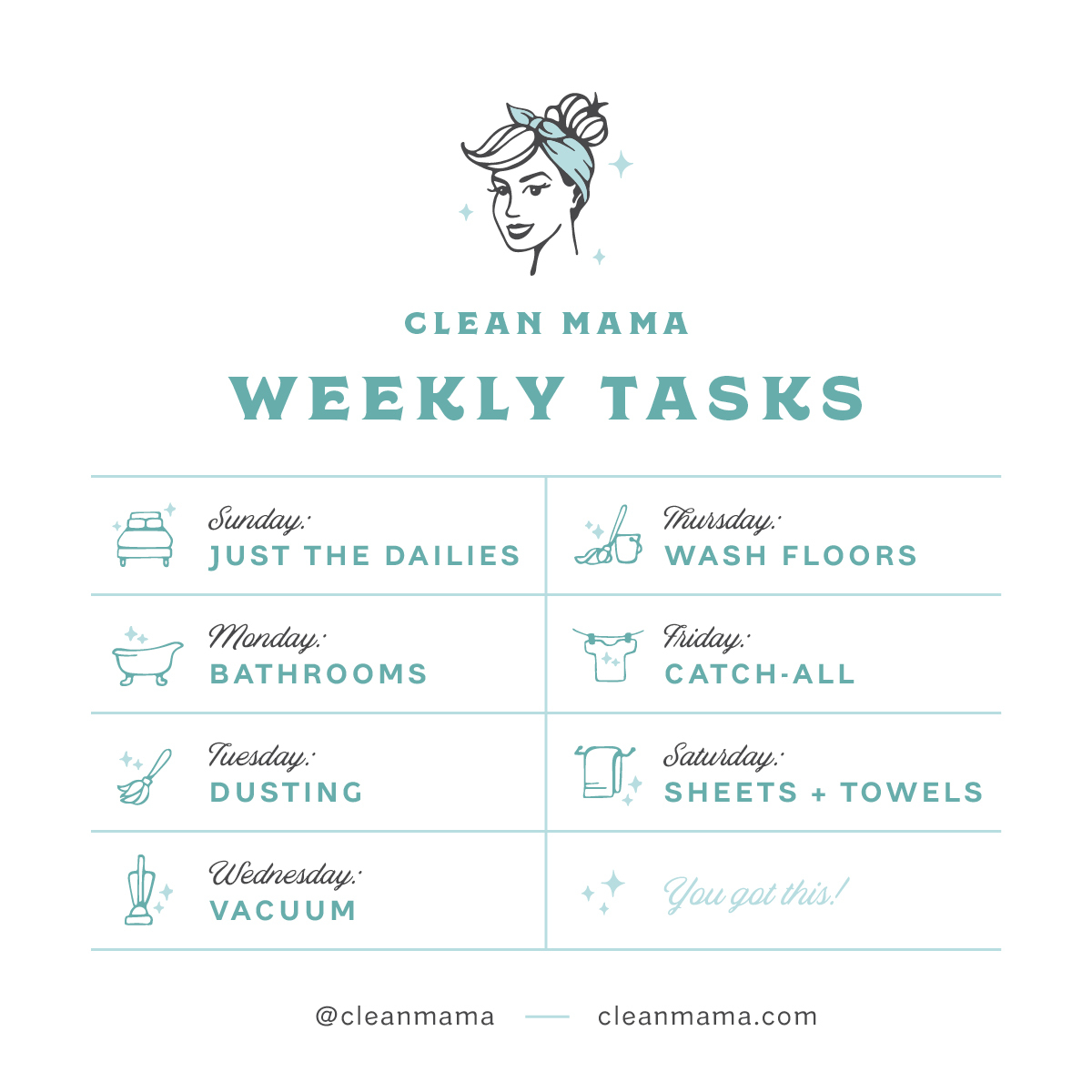
Planning a cleaning schedule that you can maintain requires a deep understanding of each room’s unique needs. This section delves into specific cleaning techniques for various areas, from kitchens and bathrooms to bedrooms and closets. By tailoring cleaning methods to each surface and item, you can optimize your efforts and achieve a more thorough and sustainable cleaning routine.Effective cleaning involves more than just general procedures.
It necessitates a meticulous approach to each room and item, focusing on specific cleaning methods to maintain cleanliness and prevent damage. This detailed breakdown of cleaning specific areas will empower you to create a customized cleaning plan that meets your needs.
Kitchen Cleaning
A clean kitchen is crucial for food safety and a pleasant home environment. A structured cleaning approach will ensure the kitchen remains sanitary and appealing.
- Counters and Appliances: Wipe down countertops with a disinfectant solution after each meal preparation. Regularly clean and sanitize stovetops, ovens, and microwaves, paying close attention to spills and food residue. Using appropriate cleaning solutions for various surfaces prevents damage and ensures optimal hygiene.
- Floors: Hardwood floors in the kitchen require regular sweeping and mopping. Tile floors benefit from a thorough scrubbing with a tile-specific cleaner to remove stains and grime. For high-traffic areas, consider using a non-abrasive cleaner to prevent scratches.
- Cabinets and Drawers: Empty cabinets and drawers, wiping down surfaces with a damp cloth and disinfectant. Remove any food particles or spills to prevent odors and maintain cleanliness. Organize items within cabinets and drawers to maximize space and facilitate easy cleaning.
Bathroom Cleaning
Bathrooms require consistent attention to maintain hygiene and prevent mold and mildew growth. Regular cleaning is essential to keep these spaces sanitary and attractive.
- Toilets: Regularly clean toilets with a toilet bowl cleaner. Pay close attention to the rim and base of the bowl. Regular scrubbing and cleaning prevent buildup and maintain cleanliness.
- Bathtubs and Showers: Clean tubs and showers with a mildew-resistant cleaner to prevent mold and mildew buildup. For stubborn stains, consider using a specialized cleaner. For optimal results, scrub the surface using a soft brush.
- Sink and Counters: Wipe down countertops and sinks with a disinfectant solution after each use. Regularly clean and sanitize the faucet and handles to maintain cleanliness. Clean the drain to prevent clogs and odors.
Bedroom Cleaning
Maintaining a clean and organized bedroom promotes relaxation and a restful sleep environment.
- Floors: Regular vacuuming and mopping of hardwood or carpeted floors are essential. Pay attention to high-traffic areas and remove any debris.
- Beds: Make the bed daily to create an organized and inviting atmosphere. Change bed linens weekly to maintain cleanliness. Clean mattress protectors regularly according to the manufacturer’s instructions.
- Closets and Drawers: Regularly clean out closets and drawers, discarding items you no longer need. Wipe down surfaces and organize clothing to maximize space.
Cleaning Product Examples
Choosing the right cleaning products for different surfaces is crucial for effective cleaning and to prevent damage.
- Hardwood Floors: Use a specialized hardwood floor cleaner and a microfiber mop for optimal results. Avoid using harsh chemicals that can damage the finish.
- Tile Surfaces: Use a tile and grout cleaner to remove dirt and grime. Consider using a grout brush for hard-to-reach areas.
- Kitchen Appliances: Use specialized appliance cleaners for ovens, microwaves, and refrigerators. Follow the manufacturer’s instructions carefully to avoid damaging the appliances.
Appliance Cleaning Table
This table Artikels the steps involved in cleaning various appliances.
| Appliance | Step 1 | Step 2 | Step 3 |
|---|---|---|---|
| Stove | Turn off and unplug stove | Wipe down the stovetop with a damp cloth | Clean the oven with a specialized oven cleaner |
| Refrigerator | Unplug the refrigerator | Remove all food items and containers | Wipe down shelves, drawers, and walls with a disinfectant solution |
| Dishwasher | Run a hot water cycle without dishes | Use a dishwasher cleaner | Wipe down the interior of the dishwasher |
Final Summary
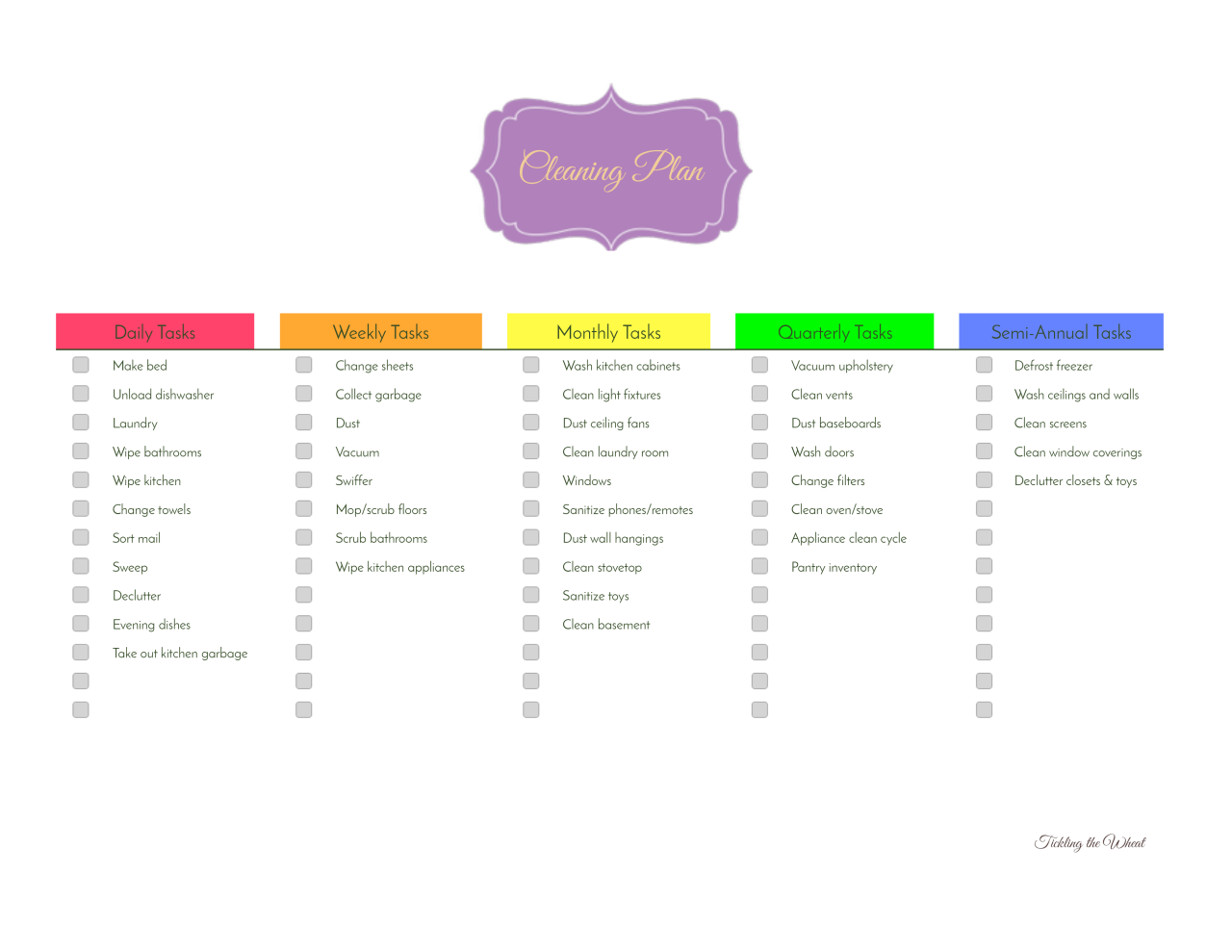
In conclusion, establishing a cleaning schedule that you can stick to is a journey, not a destination. This guide provides a roadmap for creating a customized cleaning routine that addresses your unique needs and preferences. By understanding your lifestyle, prioritizing tasks, and utilizing the right tools and resources, you can transform your home into a clean and organized sanctuary.
Remember that consistency and flexibility are key. Adjust your schedule as needed and celebrate your successes along the way. With a well-structured cleaning schedule, you’ll not only maintain a clean home but also cultivate a sense of calm and order.