The fear of a blank page, a universal experience for creatives, can paralyze even the most talented individuals. This comprehensive guide delves into the psychological roots of this common hurdle, exploring the anxieties and misconceptions that often fuel it. From the fear of failure to the pressure of perfectionism, we unravel the complexities of this seemingly simple obstacle.
This exploration offers a structured approach to overcoming this fear, providing practical strategies, exercises, and tools. We will analyze the relationship between anxiety and procrastination, and equip readers with techniques to manage both. The guide further emphasizes building a supportive creative mindset and offers resources for overcoming self-criticism, boosting confidence, and fostering a productive environment.
Understanding the Fear
The fear of a blank page is a pervasive experience, impacting individuals across various creative endeavors. It’s not simply a matter of writer’s block; it’s a complex interplay of psychological factors that can significantly hinder productivity and creativity. This fear often stems from deep-seated anxieties and self-perceptions. Understanding these roots is crucial for overcoming the challenge and unlocking one’s creative potential.This fear often manifests as a multitude of anxieties, each feeding into the overall feeling of being overwhelmed by the blank space.
These anxieties, in turn, can lead to procrastination, a vicious cycle that reinforces the fear itself. By exploring the psychological underpinnings of this fear, we can develop effective strategies for confronting and overcoming it.
Psychological Roots of the Fear
The fear of a blank page is rooted in a complex interplay of psychological factors. Deep-seated anxieties, self-doubt, and fear of judgment are key contributors. These anxieties are often amplified by misconceptions about creativity and productivity, further hindering the creative process. Perfectionism, a common trait, often contributes to the “blank page syndrome” by creating unrealistic expectations that lead to paralysis.
Different Types of Fear Associated with Blank Pages
Various types of fear contribute to the blank page syndrome. Fear of failure, a common human experience, can manifest as a reluctance to begin a task, anticipating a negative outcome. Fear of inadequacy, the perception of not possessing the necessary skills or knowledge, can lead to avoidance of creative endeavors. Finally, fear of judgment, the concern about others’ opinions or criticisms, can stifle creativity and discourage the expression of unique ideas.
Common Misconceptions About Creativity and Productivity
A common misconception is that creativity is an innate ability, possessed only by a select few. This belief can lead to feelings of inadequacy and avoidance. Another misconception is the belief that creativity must be a spontaneous, effortless process. This often leads to pressure and anxiety, resulting in a reluctance to start. In reality, creativity often involves dedicated effort and sustained practice.
Productivity is often misconstrued as a measure of output rather than a measure of progress, fostering a fear of not achieving the “right” result.
Impact of Self-Doubt on the Creative Process
Self-doubt significantly impacts the creative process. It creates a mental barrier that prevents individuals from exploring new ideas and taking risks. This internal critic can lead to a hesitation to start, a fear of making mistakes, and a general lack of confidence in one’s abilities. Individuals often find themselves stuck in a cycle of self-criticism, further hindering their creative flow.
Perfectionism and the Blank Page Syndrome
Perfectionism plays a significant role in the blank page syndrome. The pursuit of unattainable standards of excellence can lead to paralysis. The fear of not meeting these standards can lead to procrastination and avoidance of tasks. Individuals often become overly focused on minor details, losing sight of the larger picture and the overall creative goal. This can result in a cycle of dissatisfaction and a reluctance to begin.
Relationship Between Anxiety and Procrastination
Anxiety and procrastination are deeply intertwined. Anxiety can manifest as a feeling of being overwhelmed by the task at hand, leading to a postponement of work. Procrastination, in turn, exacerbates anxiety, creating a vicious cycle. This cycle is often perpetuated by negative self-talk and the fear of failure. Overcoming this cycle requires conscious effort to manage anxiety and develop strategies for timely task completion.
Strategies for Overcoming the Fear
Conquering the fear of a blank page often involves a multifaceted approach. It’s not simply about finding the perfect words; it’s about fostering a mindset that embraces the process and acknowledges the inevitability of initial hesitation. This section will Artikel practical strategies to navigate the blank page and overcome creative blocks.A crucial aspect of overcoming the blank page fear is understanding that the initial blank state is a natural part of the creative process.
This understanding can transform the intimidating void into a catalyst for inspiration. By adopting a proactive approach and employing specific techniques, one can successfully transition from the fear of the blank page to a state of productive creativity.
Step-by-Step Process for Conquering Blank Page Fear
A structured approach can significantly reduce the anxiety associated with the blank page. This involves breaking down the task into manageable steps, fostering a sense of accomplishment at each stage. This process can be personalized, but a common framework involves:
- Preparation: Establish a dedicated workspace, free from distractions. Gather necessary resources like reference materials, previous work, or inspiration boards. Adjust the environment to suit your personal needs and preferences. Ensure adequate lighting, comfortable seating, and a quiet space.
- Initial Exploration: Instead of immediately focusing on writing, engage in freewriting or brainstorming. Record any ideas, no matter how seemingly insignificant. This “dumping” process can unlock hidden connections and propel you forward.
- Focused Writing: Once a collection of ideas is established, select a topic or direction. Begin writing, focusing on the flow of ideas. Don’t worry about perfection in the initial stages; concentrate on capturing the essence of your thoughts.
- Revision and Refinement: Once a draft is complete, step back and review the content. Refine the structure, grammar, and clarity of the text. Seek feedback from others if possible, but maintain a sense of ownership over your work.
- Review and Evaluation: Consistently evaluate your progress and identify areas for improvement. Document successful techniques and adapt them for future endeavors. This continuous feedback loop is vital to developing a consistent and reliable approach.
Practical Techniques for Generating Initial Ideas
Generating initial ideas is a critical stage in overcoming writer’s block. Effective brainstorming techniques can transform the blank page into a fertile ground for creative exploration.
- Freewriting: Write continuously for a set period (e.g., 10 minutes), without censoring or editing. Focus on capturing thoughts as they arise, allowing ideas to flow freely.
- Mind Mapping: Create a visual representation of ideas, starting with a central theme and branching out to related concepts. This visual approach can spark new connections and reveal hidden patterns.
- Questioning: Pose a series of open-ended questions related to the topic. Explore different perspectives and possibilities. Encourage curiosity and critical thinking.
- Clustering: Write down key words or phrases related to the topic, then connect them based on their relationships. This method facilitates the identification of common threads and potential connections.
Methods for Overcoming Writer’s Block and Other Creative Blockages
Writer’s block and creative blocks are common experiences. Understanding the underlying causes and implementing appropriate solutions is crucial for overcoming these obstacles.
- Taking Breaks: Stepping away from the task can often revitalize creativity. Engage in a different activity, like a walk or a conversation, to clear your mind.
- Changing Perspective: Look at the problem from a different angle. Consider alternative approaches or perspectives. This shift in viewpoint can unlock new possibilities.
- Seeking Inspiration: Engage with other creative works, explore different genres, or visit museums or libraries to spark inspiration.
- Collaboration: Working with others can provide new insights and perspectives, fostering a more collaborative approach to problem-solving.
Comparing and Contrasting Brainstorming Strategies
Different brainstorming techniques have unique strengths and weaknesses. Understanding these distinctions allows for the selection of the most appropriate strategy for a given task.
| Approach | Pros | Cons |
|---|---|---|
| Freewriting | Encourages rapid idea generation, reduces self-criticism. | Can lead to disorganized thoughts if not structured. |
| Mind Mapping | Visualizes connections between ideas, promotes creative flow. | Requires visual skills and can be time-consuming for complex topics. |
| Questioning | Promotes critical thinking, explores diverse perspectives. | Can lead to a large number of questions without immediate solutions. |
| Clustering | Identifies relationships between ideas, clarifies connections. | May not be suitable for tasks requiring a linear structure. |
Techniques for Managing Anxiety and Stress
Anxiety and stress associated with the blank page can significantly hinder productivity. Implementing stress-management techniques can create a more conducive environment for creative work.
- Deep Breathing Exercises: Focus on slow, deep breaths to calm the mind and reduce physical tension.
- Mindfulness Meditation: Practice focusing on the present moment to reduce rumination and anxiety.
- Positive Self-Talk: Replace negative thoughts with positive affirmations to build confidence and resilience.
- Regular Exercise: Physical activity can release endorphins, improving mood and reducing stress.
Building a Creative Mindset

Cultivating a creative mindset is a crucial aspect of overcoming the fear of a blank page. It’s not just about technical skills or strategies; it’s about fostering an environment where creative ideas can flourish. This involves recognizing the power of supportive environments, harnessing the strength of positive self-talk, and actively managing self-criticism. Developing a robust creative mindset ultimately empowers individuals to approach tasks with confidence and generate innovative solutions.A supportive environment is paramount to unlocking creativity.
This encompasses both physical and psychological spaces. A dedicated workspace free from distractions, or even a change of scenery, can significantly impact creative output. Equally important is a supportive social circle that encourages experimentation and embraces diverse perspectives. A safe space to explore ideas without fear of judgment fosters a more open and receptive mindset.
Creating a Supportive Environment
A supportive environment nurtures creativity by minimizing distractions and fostering psychological safety. This involves designating a dedicated workspace, minimizing interruptions, and actively seeking out opportunities to collaborate with others. A collaborative environment can spark new ideas and perspectives, leading to breakthroughs. Surrounding yourself with people who encourage your creative endeavors, who appreciate your efforts, and who offer constructive feedback, is invaluable.
This includes family members, friends, colleagues, or mentors.
Harnessing Positive Self-Talk and Affirmations
Positive self-talk and affirmations play a vital role in bolstering confidence and managing self-criticism. Replacing negative self-criticism with positive affirmations can dramatically shift a person’s approach to creative tasks. For instance, instead of dwelling on perceived shortcomings, focus on past successes and acknowledge progress. Regularly repeating positive statements about your capabilities and potential can reinforce a more optimistic and confident outlook.
This will build a foundation for greater resilience and perseverance in creative pursuits.
Overcoming Self-Criticism
Self-criticism is a significant barrier to creative expression. Recognizing and challenging these negative internal dialogues is essential. This involves identifying the specific patterns of self-criticism, such as focusing on perceived flaws or anticipating failure. By becoming aware of these patterns, individuals can actively counter negative thoughts with more balanced and realistic perspectives. Developing self-compassion and understanding that creative exploration often involves setbacks is crucial.
This involves recognizing that mistakes are part of the creative process and reframing them as opportunities for learning and growth.
Boosting Confidence and Creativity
Building confidence and nurturing creativity are intertwined processes. Regular engagement in activities that foster these traits can significantly improve creative performance.
- Mindfulness and Meditation: Practicing mindfulness and meditation can cultivate focus, reduce stress, and improve self-awareness. These practices allow for a deeper understanding of one’s internal processes, which can be instrumental in managing negative thoughts and promoting creative flow.
- Creative Journaling: Freewriting, brainstorming, or simply documenting ideas in a journal can unlock creative potential. This practice allows for the free expression of thoughts and ideas, fostering a more open and receptive mindset.
- Learning New Skills: Expanding one’s skill set, whether in art, music, writing, or another domain, can spark new ideas and approaches. Exploring new avenues of learning provides fresh perspectives and enhances the ability to connect disparate concepts.
- Engaging in Creative Hobbies: Engaging in activities like painting, sculpting, music, or writing can enhance creativity and confidence. These activities offer opportunities to experiment, explore, and refine skills in a relaxed and enjoyable environment.
Creative Exercises and Activities
A variety of exercises and activities can effectively stimulate creativity and build confidence.
| Exercise | Description | Benefits |
|---|---|---|
| Freewriting | Writing continuously for a set period without editing or censoring ideas. | Encourages the free flow of thoughts and ideas, leading to unexpected connections and insights. |
| Mind Mapping | Visualizing ideas and connections through diagrams and branches. | Facilitates the organization and exploration of ideas, promoting creative problem-solving. |
| Creative Problem Solving | Identifying problems and brainstorming innovative solutions. | Develops critical thinking skills and fosters creative problem-solving abilities. |
| Role Playing | Stepping into different roles and perspectives to explore different viewpoints. | Encourages empathy and understanding, fostering innovative ideas and solutions. |
| Visualizations | Creating mental images and scenarios to stimulate creative thinking. | Develops vivid imagination and fosters the ability to visualize complex ideas. |
Practical Exercises and Techniques

Overcoming the fear of a blank page often involves more than just understanding the root cause or adopting a creative mindset. Practical exercises and techniques provide actionable steps to translate theory into tangible results. These methods focus on building momentum, breaking down daunting tasks, and managing potential obstacles like procrastination and perfectionism.This section will delve into a variety of practical strategies to help you conquer the blank page and unlock your creative potential.
By implementing these exercises, you can cultivate a more productive and less anxiety-provoking creative process.
Procrastination and Productivity Boosting Exercises
Procrastination is a common foe in the creative process. Addressing this requires proactive strategies and a mindful approach. The following exercises can help you break free from the cycle of procrastination and boost your productivity.
- Time Blocking: Allocate specific time slots for dedicated work on your project. This creates a structured framework, minimizing the mental effort of deciding what to do next. Regularly scheduled sessions can improve focus and consistency, gradually building momentum.
- The Two-Minute Rule: If a task takes less than two minutes, do it immediately. This prevents small tasks from piling up and becoming overwhelming. This seemingly simple rule can significantly reduce the mental clutter that often fuels procrastination.
- Pomodoro Technique: Work in focused intervals (e.g., 25 minutes) followed by short breaks. This structured approach helps maintain concentration and prevents burnout. The intervals and breaks can be adapted to individual needs.
- Reward System: Establish a system of rewards for completing tasks. This positive reinforcement can motivate you and create a sense of accomplishment, making the creative process more enjoyable.
Breaking Down Large Tasks
Large projects can be intimidating, easily leading to feelings of inadequacy and paralysis. Breaking down these tasks into smaller, more manageable components is a key strategy to overcome this.
- Task Decomposition: Divide the overall project into smaller, well-defined subtasks. This allows for a more gradual approach, making the project feel less daunting and more attainable.
- Creating a Timeline: Develop a timeline outlining the steps and deadlines for each subtask. This creates a clear roadmap, providing structure and a sense of progress.
- Prioritization: Identify and prioritize the most critical subtasks based on their importance and urgency. Focus on these first to gain momentum and build confidence.
Overcoming the Fear of Judgment
The fear of judgment from others can significantly impact creative endeavors. Acknowledging and addressing this fear is crucial.
- Focusing on Self-Worth: Recognize that your creative expression is a reflection of your unique perspective and should not be judged solely on external standards. Developing a strong sense of self-worth and confidence can mitigate the impact of external criticism.
- Seeking Constructive Feedback: Actively seek feedback from trusted sources, but be selective about who you share your work with. Focus on feedback that is genuinely helpful and constructive, rather than judgmental or negative.
- Building a Supportive Community: Surround yourself with a supportive network of people who appreciate and encourage your creative pursuits. Sharing your work with a supportive community can foster a sense of belonging and reduce the pressure to conform to external expectations.
Comparing Methods for Overcoming Perfectionism
Perfectionism can hinder progress and fuel anxiety. Understanding different approaches to overcoming perfectionism can provide a tailored strategy.
| Method | Description | Advantages | Disadvantages |
|---|---|---|---|
| Acceptance and Gradual Improvement | Focus on progress over perfection. Embrace the learning process and celebrate small victories. | Reduces pressure, fosters a positive attitude, and encourages persistence. | May feel slow to those accustomed to quick results. |
| Setting Realistic Goals | Define achievable milestones and break down tasks into manageable steps. | Increases motivation and reduces feelings of overwhelm. | Can be challenging to define realistic goals, especially for ambitious projects. |
| Mindfulness and Self-Compassion | Cultivate self-awareness and acceptance of imperfections. Recognize that errors are part of the learning process. | Reduces self-criticism and promotes emotional regulation. | Requires conscious effort and practice to develop. |
Tools and Resources
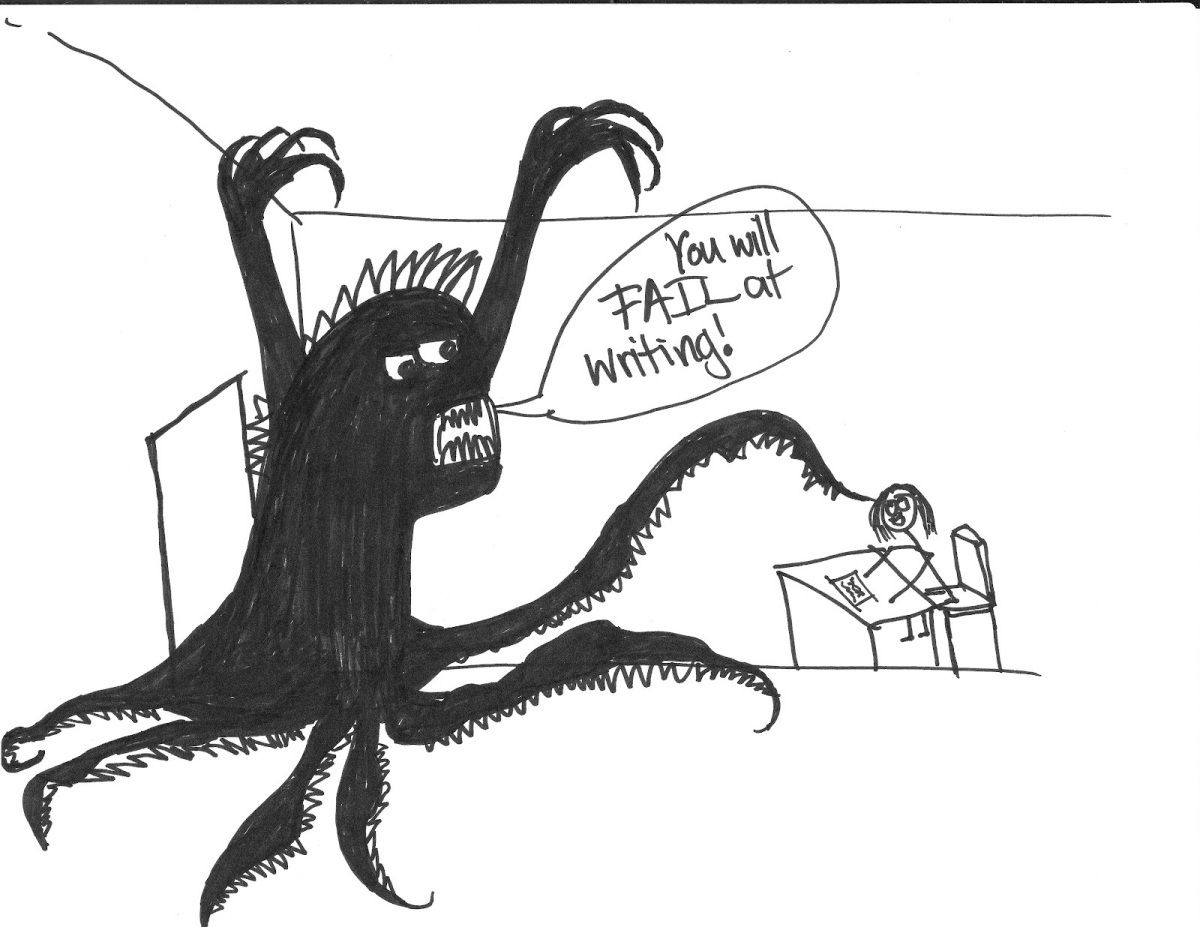
Harnessing the right tools and resources can significantly enhance the creative process and empower you to overcome the blank-page fear. This section will explore a variety of methods for structuring ideas, managing the creative workflow, and utilizing technology to foster inspiration and productivity. Effective planning and outlining are essential, and technology plays a crucial role in supporting your creative journey.Understanding the importance of these tools and resources allows you to strategically manage distractions and maintain focus, ultimately leading to more successful creative endeavors.
From note-taking apps to online communities, this section provides a comprehensive guide to equip you with the best resources for your creative endeavors.
Idea Structuring and Planning
Planning and outlining are critical steps in any creative process. They provide a framework for organizing thoughts and ideas, ensuring a more focused and efficient approach to generating content. By creating an Artikel, you can visually represent the structure of your work, identify potential gaps, and develop a roadmap for your project. This structured approach fosters a sense of control and reduces the overwhelming feeling associated with a blank page.
Technology in Creative Work
Technology offers a wealth of tools and resources that can facilitate and streamline the creative process. Digital note-taking apps, mind-mapping software, and online collaboration platforms allow for seamless organization, real-time feedback, and streamlined workflow management. By leveraging these technological advancements, creators can optimize their efficiency and produce high-quality work more effectively. Examples include using cloud storage to share documents and collaborate with others, utilizing project management software to track progress and deadlines, or leveraging AI tools to assist with research and brainstorming.
Note-Taking Applications
Effective note-taking is crucial for capturing ideas, refining concepts, and maintaining focus. The right note-taking application can significantly impact your creative workflow. Here is a comparison table outlining some popular note-taking apps and their features:
| App | Features | Pros | Cons |
|---|---|---|---|
| Evernote | Note-taking, tagging, organization, search, collaboration, cloud syncing | Extensive features, strong organization capabilities, collaborative tools | Can be overwhelming for beginners, interface might be complex |
| Google Keep | Simple note-taking, voice recording, lists, reminders, collaboration | Easy to use, integrates with other Google services, excellent for quick notes | Limited features compared to Evernote, less robust organization |
| OneNote | Note-taking, organization, image/video integration, linking notes, cloud syncing | Excellent for visual note-taking, great for structured note-taking | Can be slightly more complex than Keep, fewer collaborative features |
Online Resources
Numerous online resources provide support and guidance for creative endeavors. These platforms offer valuable insights, tutorials, and communities that can foster inspiration and provide constructive feedback. Sites like CreativeLive, Skillshare, and Udemy offer a wide array of courses and workshops covering various creative disciplines.
Managing Distractions and Maintaining Focus
Distractions are a common challenge in creative work. To maintain focus and maximize productivity, establish a dedicated workspace, implement time management techniques, and utilize tools to minimize interruptions. Techniques such as the Pomodoro Technique or the Two-Minute Rule can be employed to enhance focus and concentration. It’s also beneficial to create a structured routine that incorporates dedicated time slots for creative work.
This structured approach can significantly reduce distractions and improve productivity.
Ultimate Conclusion

In conclusion, conquering the blank page is not about eliminating the fear, but rather about learning to navigate it effectively. By understanding the psychological underpinnings, employing practical strategies, and cultivating a positive mindset, you can transform the blank page from a source of anxiety into a springboard for creativity. The provided tools and resources will empower you to embrace the creative process with confidence and unlock your full potential.