Meal prepping for the week can be a daunting task, but it doesn’t have to be. This guide provides a structured approach to meal prepping, specifically tailored for those who prefer using a journal. We’ll explore how to meticulously plan your meals, create efficient grocery lists, organize recipes, and implement effective meal prep strategies, all within the framework of a well-organized journal.
This method promotes both efficiency and a personalized touch, ensuring your week’s meals are planned and executed seamlessly.
This comprehensive guide will walk you through the entire process, from creating your weekly meal plan to storing your prepared meals safely and efficiently. By the end of this guide, you’ll have a robust system for meal prepping that you can adapt and customize to fit your individual needs and preferences, ensuring you always have delicious and healthy meals readily available.
Planning Your Weekly Meals
A well-structured weekly meal plan is crucial for maintaining a healthy diet and saving time. This section will guide you through creating a personalized meal plan using a journal, ensuring it aligns with your dietary preferences and restrictions, and optimizing your time management.
Creating a Weekly Meal Plan Using a Journal
A weekly meal plan, recorded in a journal, allows for flexibility and adaptability. It empowers you to anticipate your needs and efficiently manage your time and ingredients. Begin by brainstorming a list of meals you enjoy and those you want to try. Consider the availability of ingredients and your preferred cooking methods. This step lays the groundwork for your weekly meal plan.
- Brainstorm and Prioritize: List meals you enjoy, those you want to try, and consider seasonal availability of ingredients. Prioritize meals based on your schedule and cooking preferences.
- Assess Dietary Needs: Identify any dietary restrictions or preferences (vegetarian, vegan, allergies, etc.). Include these constraints in your meal plan to ensure compliance with your needs.
- Plan for the Week: Organize meals for each day of the week, ensuring variety and balance. Consider incorporating leftovers to minimize food waste.
- Estimate Preparation Time: Note the time required for each meal’s preparation. This will help you schedule your cooking time efficiently.
- Review and Refine: Review your plan for realistic portions and check for potential conflicts with your schedule.
Incorporating Dietary Preferences and Restrictions
Meal planning should cater to individual needs. A well-planned journal should incorporate dietary preferences and restrictions seamlessly. This ensures you are meeting your nutritional goals while maintaining a balanced diet.
- Identifying Restrictions: Clearly identify any allergies, intolerances, or dietary preferences (vegetarian, vegan, low-carb, etc.).
- Ingredient Adjustments: Substitute ingredients as needed to accommodate restrictions. For example, if you’re vegetarian, replace meat with plant-based protein sources.
- Recipe Modification: Adjust recipes to meet specific dietary needs. If you have a gluten intolerance, find gluten-free alternatives for ingredients.
Weekly Meal Plan Journal Entry Template
A structured template will ensure your meal plan is comprehensive and easy to follow. This organized format will enhance your planning process, allowing you to visualize your meals for the week.
| Day | Meal | Recipe | Ingredients | Prep Time (minutes) |
|---|---|---|---|---|
| Monday | Breakfast | Oatmeal with Berries | Oatmeal, Berries, Milk | 10 |
| Monday | Lunch | Salad with Grilled Chicken | Salad greens, Chicken breast, Vegetables | 20 |
| Monday | Dinner | Pasta with Marinara Sauce | Pasta, Marinara sauce, Vegetables | 30 |
| Tuesday | Breakfast | Yogurt with Granola | Yogurt, Granola, Fruit | 5 |
Questions to Ask Yourself When Planning
Careful consideration of various factors is essential for a successful meal plan. These questions will guide you in creating a realistic and effective plan.
- What are my time constraints for cooking each day?
- What ingredients do I already have on hand?
- What are my favorite meals, and how can I incorporate them into the week?
- What is the cost of ingredients for the planned meals?
- Can I prepare ingredients in advance to reduce cooking time on busy days?
Comparing Meal Planning Methods
Different approaches to meal planning have varying advantages and disadvantages. Understanding these differences can help you choose the method that best suits your needs.
| Method | Pros | Cons |
|---|---|---|
| Spreadsheet | Organized, easy to track, adaptable to various data formats. | Requires initial setup and software, may be less flexible for changes. |
| Journal | Flexible, allows for handwritten notes, personal touches. | Less structured, can be harder to track large amounts of data. |
Grocery Shopping List Generation
Creating a comprehensive and efficient grocery list from your weekly meal plan is crucial for successful meal prepping. A well-organized list ensures you purchase only the necessary ingredients, minimizes food waste, and streamlines the shopping experience. This section details a structured approach to generate your grocery list, prioritizing ingredients, estimating quantities, and categorizing items for optimized shopping trips.
Ingredient Prioritization and Quantity Estimation
Prioritizing ingredients based on the frequency of use and the number of meals requiring them is essential. For example, if a particular ingredient, like olive oil, is used in multiple dishes, place it higher on your list to avoid forgetting it. Quantities should be estimated based on the portion sizes planned for each meal. Consider using measuring cups and spoons, or digital scales for accuracy, especially for smaller ingredients or those that may be difficult to gauge visually.
Categorizing Ingredients for Efficient Shopping
Categorizing ingredients facilitates a more organized shopping trip and prevents unnecessary wandering through the store. Group similar items together (e.g., all produce, all dairy, all proteins). This allows for a focused approach, minimizing the time spent searching for items. A categorized list also aids in recognizing potential substitutions or alternative ingredients.
Sample Grocery List Template
A well-structured template enhances the process. A simple table format is ideal, with columns for categories (Produce, Dairy, Protein, Grains, etc.), items, and quantities. Consider adding columns for unit (e.g., lbs, kg, count), and notes (e.g., brand preference, specific type). This allows for easy adaptation to fit your specific needs and meal plan.
| Category | Item | Quantity | Unit | Notes |
|---|---|---|---|---|
| Produce | Onions | 2 | lbs | Yellow |
| Produce | Carrots | 1 | bunch | Baby carrots |
| Dairy | Milk | 1 | gallon | Whole milk |
Potential Challenges and Solutions
One potential challenge is accurately estimating quantities based on the meal plan. To address this, create a detailed recipe card or shopping list for each meal. Another challenge is incorporating seasonal produce. To overcome this, check local farmers’ markets and grocery store produce sections for seasonal offerings. Consider incorporating them into your meal plan and list, and plan dishes that utilize these items, which often have better flavor and freshness.
Incorporating Seasonal Produce
Seasonal produce often provides the best flavor and freshness. For example, if summer is approaching, consider adding berries and corn to your meal plan. This ensures that your meals are flavorful and use fresh, locally sourced ingredients. Also, adjust your grocery list accordingly to maximize the freshness of your ingredients and ensure you are using ingredients at their peak.
Look for sales on seasonal produce to save money and utilize the ingredients.
Meal Prep Strategies
Effective meal prepping involves strategic planning and execution to maximize efficiency, minimize food waste, and ensure healthy eating habits throughout the week. By carefully considering meal choices, ingredient preparation, portioning, and storage, you can streamline your week and enjoy delicious, nutritious meals without extra effort.Understanding various meal prep strategies and tailoring them to your individual needs is key to success.
This section details crucial aspects of optimizing your meal prep process, from ingredient pre-treatment to storage techniques, ultimately contributing to a more sustainable and enjoyable experience.
Ingredient Pre-Treatment Strategies
Proper ingredient pre-treatment is vital for efficient meal prep. This includes tasks such as chopping vegetables, cooking grains, or portioning proteins. By preparing ingredients in advance, you save time during the week’s meals. For example, chopping vegetables like onions, peppers, and carrots on the weekend allows for quicker assembly of salads, stir-fries, or pasta dishes. Similarly, cooking grains like quinoa or brown rice, or pre-portioning proteins like chicken or beans, significantly reduces cooking time during the week.
Meal Portioning and Container Selection
Determining appropriate portion sizes is essential for meeting individual dietary needs and preventing overeating. A crucial aspect of meal prepping is accurate portioning. Using measuring cups and spoons is helpful in achieving consistency and accuracy. Consider using a food scale for more precise portioning, especially for items like grains and proteins.Selecting suitable containers is equally important. Airtight containers are recommended to maintain freshness and prevent food spoilage.
Materials like glass, BPA-free plastic, or stainless steel are suitable choices. Proper labeling of containers with the meal name and date is crucial for easy identification and organization.
Meal Storage and Preservation Techniques
Optimal storage techniques ensure the safety and freshness of prepared meals. Refrigerate meals within two hours of preparation to prevent bacterial growth. Use airtight containers to maintain freshness and prevent freezer burn. Label containers with the date and contents to ensure proper meal rotation. Utilize a freezer for longer storage periods.
For meals intended for longer storage, freeze them in individual portions. When thawing frozen meals, allow them to thaw in the refrigerator overnight.
Portioning Calculation and Dietary Considerations
Calculating portion sizes based on individual needs and dietary restrictions is essential. Consult a nutritionist or dietitian to determine personalized portion recommendations. Consider dietary restrictions such as allergies or specific nutritional needs when creating meal plans and portions. Adjust portion sizes to accommodate individual caloric needs, ensuring a balanced diet for each person.
Waste Minimization Strategies
Efficient meal planning and careful preparation can drastically reduce food waste. Plan your meals around available ingredients to avoid buying excess food. Utilize leftovers creatively by incorporating them into new dishes. Proper storage and labeling of ingredients can also help minimize spoilage.
Time Management and Scheduling
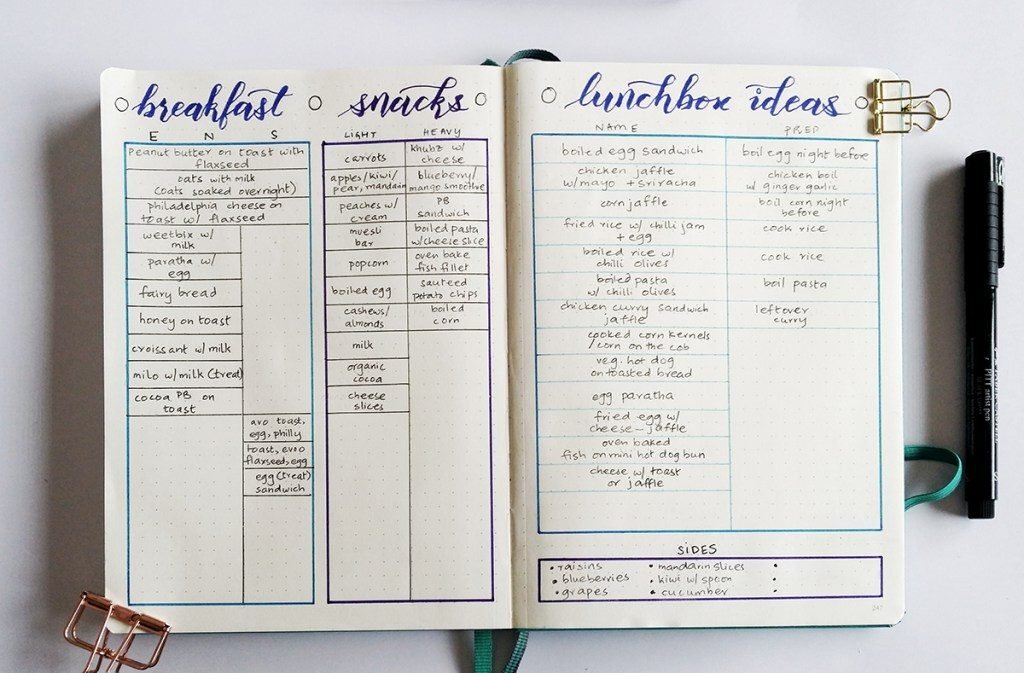
Effective meal prepping hinges on a well-structured approach to time management. A planned schedule ensures you allocate sufficient time for each task, preventing last-minute rushes and maximizing efficiency. This meticulous planning translates to reduced stress and a greater sense of accomplishment.A crucial element of successful meal prepping is understanding how to allocate your time efficiently. A strategic schedule, customized to your specific needs, can streamline the entire process, from planning to execution.
This allows you to enjoy the benefits of healthy meals without sacrificing precious time.
Scheduling Meal Prep Tasks
A well-organized schedule for meal prep allows you to allocate time for each step of the process. This includes planning the meals, grocery shopping, and the actual preparation of the meals. Start by allocating blocks of time for each task, considering the expected duration for each.
- Planning: Allocate a specific time for reviewing your meal plan and creating your shopping list. This ensures you’re not rushing through this critical step, allowing for thoughtful consideration of your meals and your dietary needs.
- Grocery Shopping: Schedule a dedicated time for grocery shopping, ideally on a day that works best for your routine and allows you to check off items from your list efficiently. This prevents the need for multiple trips or a hurried visit to the store.
- Meal Preparation: Break down the meal preparation process into smaller, manageable tasks. This could involve chopping vegetables, cooking proteins, or assembling components. This makes the entire process less daunting.
- Storage and Organization: Schedule a dedicated period to store and organize the prepared meals. This is critical for preventing meal prep from becoming chaotic and for ensuring easy access to your prepped meals throughout the week.
Allocating Time for Each Meal Prep Step
Understanding the time required for each meal prep step is essential. Consider the complexity of each meal, the quantity of ingredients, and the preparation methods. For example, preparing a simple salad takes less time than making a complete casserole dish.
| Meal | Prep Time (estimated) | Notes |
|---|---|---|
| Chicken Stir-Fry | 45 minutes | Includes chopping vegetables, cooking chicken, and assembling the dish. |
| Baked Salmon with Roasted Veggies | 30 minutes | Focuses on pre-portioned ingredients and minimal cooking time. |
| Overnight Oats | 15 minutes | Ideal for a quick and easy breakfast prep. |
Time Management Techniques
Several techniques can help manage time constraints during meal prep. Prioritize tasks based on urgency and complexity. Batch similar tasks together to streamline the process, such as chopping all vegetables at once. Employ time-saving strategies to minimize wasted time.
- Prioritization: Identify the most time-consuming tasks and schedule them accordingly. Focus on completing the essential prep steps first.
- Batch Cooking: Cook larger quantities of ingredients like rice or beans and store them for use in multiple meals. This significantly reduces preparation time for subsequent meals.
- Prep Ahead: Chop vegetables, marinate proteins, or measure ingredients in advance to save time during the actual meal preparation process.
Time-Saving Strategies
Utilizing time-saving strategies during meal prep can significantly improve efficiency. Pre-portioning ingredients, using pre-cut vegetables, and utilizing cooking appliances effectively can save valuable time.
“Pre-portioning ingredients and using pre-cut vegetables can significantly reduce prep time.”
Sample Weekly Meal Prep Schedule
A sample schedule illustrates a potential weekly meal prep approach.
| Day | Time | Task |
|---|---|---|
| Sunday | 10:00 AM – 12:00 PM | Plan meals, create shopping list |
| Sunday | 12:00 PM – 2:00 PM | Grocery shopping |
| Sunday | 2:00 PM – 6:00 PM | Meal preparation (chopping, cooking, assembling) |
| Sunday | 6:00 PM – 7:00 PM | Storage and organization |
Adapting the Schedule
Adapting the schedule to different lifestyles and routines is essential. Adjust the schedule based on your available time, the complexity of your meals, and your personal preferences.
Visual Aids and Illustrations
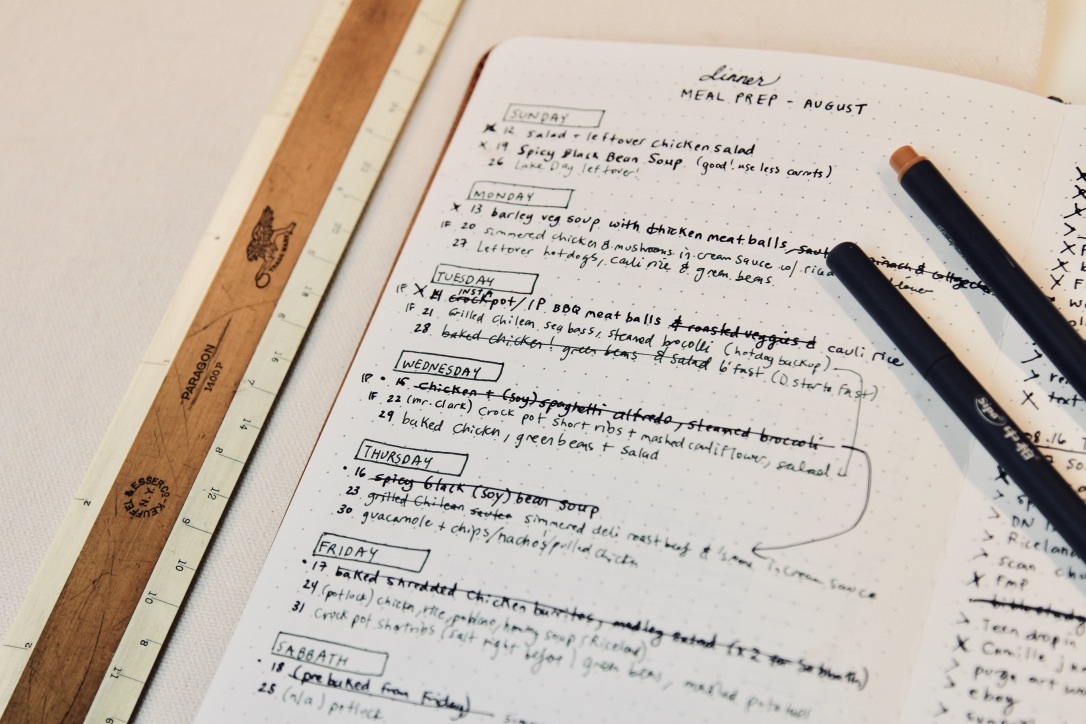
Visual aids are crucial for effectively understanding and implementing meal prep strategies. They provide a clear roadmap for planning, shopping, and executing your weekly meal prep routine. By visualizing the process, you can identify potential bottlenecks, optimize your time, and increase the likelihood of success.Visual representations, from flowcharts to graphic organizers, can transform abstract concepts into easily digestible steps.
These tools provide a tangible framework for understanding the interdependencies between meal planning, grocery shopping, and the meal prep process itself. They also assist in visualizing the workflow and storage of prepared meals, optimizing efficiency and minimizing waste.
Meal Prep Workflow Flowchart
A flowchart visually represents the meal prep process, showcasing the sequential steps from initial planning to the final storage of meals. This flowchart acts as a roadmap, helping to avoid confusion and ensure a smooth workflow. The key elements typically include:
- Weekly Meal Planning: Start by selecting recipes and noting down the ingredients needed for each meal.
- Grocery Shopping List Generation: Based on the planned meals, create a comprehensive list of ingredients to purchase. Prioritize essential ingredients to minimize potential delays.
- Grocery Shopping: Acquire the ingredients from the list. Shopping lists help streamline the process, ensuring you don’t forget any crucial ingredients.
- Meal Preparation: Cook the meals according to the recipes, ensuring you adhere to the planned schedule and preparation methods.
- Portioning and Storage: Divide the cooked meals into individual containers for storage, adhering to appropriate portion sizes and food safety guidelines.
- Refrigeration and Labeling: Store the prepared meals in the refrigerator, clearly labeling each container with the date, meal name, and any specific instructions.
Meal Planning, Grocery Shopping, and Meal Prep Relationship
A graphic organizer visually represents the interconnectedness of meal planning, grocery shopping, and meal prep. This visual tool helps understand how each phase depends on the other, highlighting the critical link between these steps.
| Meal Planning | Grocery Shopping | Meal Prep |
|---|---|---|
| Identifies meals for the week | Generates a list of ingredients | Prepares and cooks the meals |
| Specifies quantities of ingredients | Acquires the ingredients | Divides meals into portions |
| Determines cooking methods | Checks for correct quantities | Stores the prepared meals |
This interconnected graphic demonstrates how meal planning directly influences grocery shopping, and how both contribute to the successful completion of the meal prep process.
Portioning Meals into Containers
Proper portioning and storage are vital for maintaining food safety and optimizing meal prep efficiency. This involves using appropriate containers and ensuring consistent portions for each meal.
- Container Selection: Opt for airtight, food-safe containers that are easy to handle and stack.
- Portioning Technique: Use measuring cups and spoons for accurate portioning. Consistent portions ensure each meal provides the desired nutritional intake.
- Meal-Specific Portions: Adjust portion sizes based on individual needs and dietary requirements. Ensure portions align with planned daily caloric intake.
- Labeling and Date Marking: Label each container with the date and the name of the meal for easy identification and to track storage time.
Visualizing Weekly Meal Plan in a Journal
A well-organized journal aids in visualizing the weekly meal plan. Use colors and images to make it more engaging and memorable.
- Color Coding: Employ different colors for each meal type (e.g., red for pasta dishes, green for salads). This helps visually distinguish and categorize meals.
- Image Integration: Include small images or icons that represent each meal. This aids in remembering the meal’s appearance and flavor profile.
- Recipe Organization: Create a dedicated space to note down recipes and meal prep strategies for easy reference.
Sample Journal Page
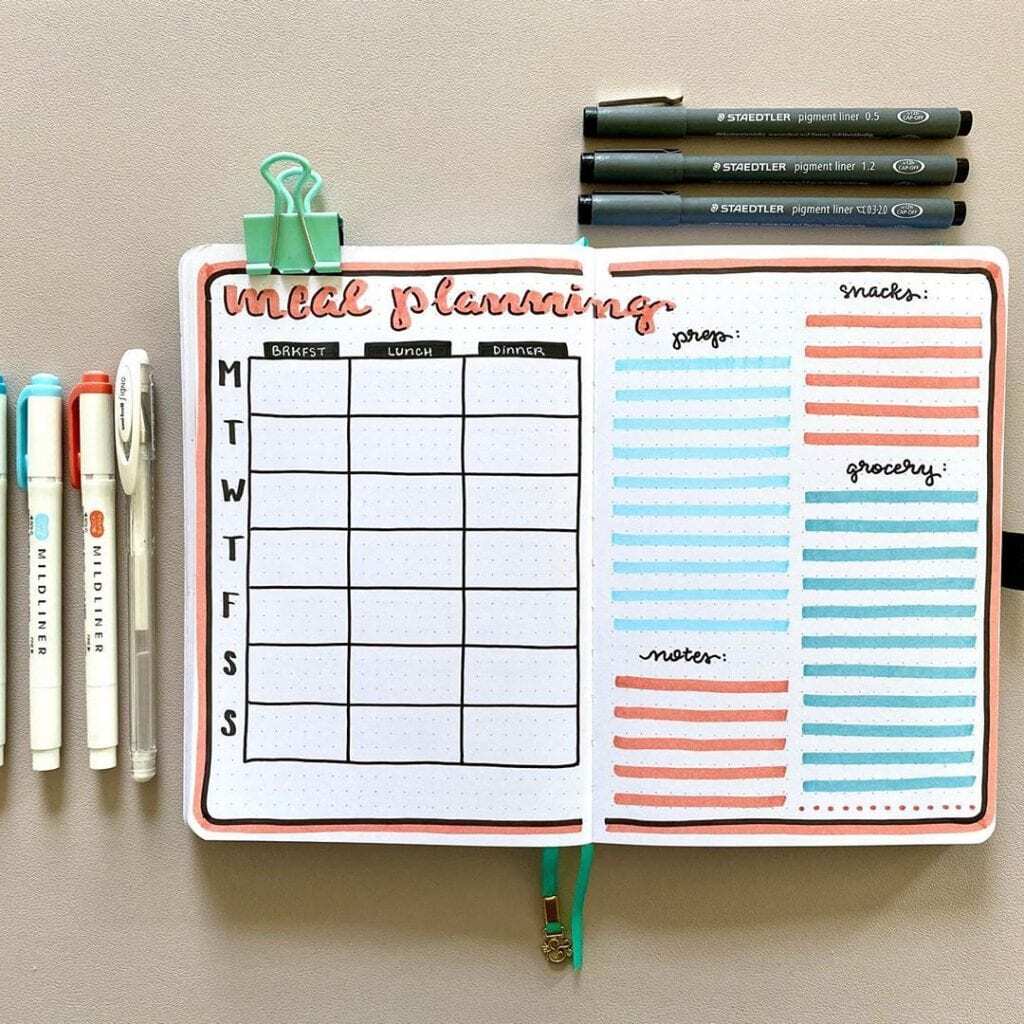
A sample journal page would display the weekly meal plan, highlighting recipe organization and meal prep strategies. The page would showcase the color-coded meals, with images representing each dish.
“Example: A journal page could have a box for Monday’s meal, ‘Chicken Stir-fry’, with a small chicken icon in red. The ingredients and portion sizes would be noted alongside. A column could detail meal prep steps, such as ‘marinate chicken for 30 minutes’, followed by cooking instructions.”
Storage Life of Prepared Foods
Visual aids can help track the storage life of different prepared foods. A visual guide with clear indicators is essential.
- Visual Indicators: Use different colored stickers or markers to highlight the storage duration for each meal. For example, a green sticker could represent meals lasting up to 3 days, while a yellow sticker could signify 4-5 days of storage.
- Storage Time Chart: A simple table illustrating the expected storage life of various meals (e.g., cooked chicken, salads, leftovers) will be extremely helpful.
Outcome Summary
In conclusion, this comprehensive guide offers a practical and engaging approach to meal prepping using a journal. By following the steps Artikeld, you’ll develop a personalized system for planning, shopping, and preparing your weekly meals. The detailed planning, recipe organization, and time management techniques will not only streamline your meal prep process but also help you save time, reduce food waste, and enjoy delicious, healthy meals throughout the week.