Pen bleeding and ghosting can mar even the most meticulously crafted documents and artistic endeavors. This guide delves into the intricacies of this common writing challenge, offering practical solutions and expert insights. Understanding the root causes, from paper type to ink formulation, is crucial to effectively preventing and addressing these issues.
This comprehensive guide provides a detailed exploration of pen bleeding and ghosting, covering everything from identifying the problem to employing effective solutions. We’ll analyze various paper types, ink formulations, and writing techniques to ensure your writing remains crisp and clear, free from unwanted ink transfer.
Understanding Pen Bleeding and Ghosting
Pen bleeding and ghosting are common writing challenges that affect the clarity and presentation of handwritten or inked documents. Understanding the factors contributing to these issues is crucial for choosing appropriate writing instruments and materials to achieve professional-looking results. These factors include paper type, ink characteristics, and the application of writing pressure.Pen bleeding occurs when ink spreads beyond the intended lines, while ghosting happens when the impression of a previous writing stroke is visible through the subsequent one.
This often manifests as a faint copy of the prior line, obscuring the newer writing. Both phenomena can significantly impact the readability and aesthetic appeal of a document.
Definitions of Pen Bleeding and Ghosting
Pen bleeding is the unwanted spreading of ink beyond the intended lines of writing. Ghosting, on the other hand, is the visible impression of a previous writing stroke through the subsequent one, appearing as a faint copy. Both issues are often caused by a combination of factors, making them complex phenomena.
Common Causes of Pen Bleeding and Ghosting
Several factors contribute to pen bleeding and ghosting, primarily related to the interaction between the writing instrument, ink, and paper.
- Paper Type: Different paper types have varying absorbency and porosity. Papers with a less absorbent surface are more prone to ink spreading. Papers with a high fiber content or a rough texture can also cause ink to bleed, while smooth papers generally exhibit better control.
- Ink Type: The viscosity and chemical composition of the ink play a crucial role. Water-based inks are more likely to spread than oil-based inks. The concentration of pigments in the ink can also influence bleeding and ghosting, with highly concentrated inks potentially spreading more easily.
- Writing Pressure: Applying excessive pressure during writing can force ink into the paper’s fibers, causing it to spread. Moderate pressure is generally recommended to achieve a balance between ink flow and controlled writing. Heavy pressure may damage the paper’s structure and lead to unwanted results.
Examples of Pen Types and Their Tendencies
Different pen types exhibit varying tendencies towards bleeding and ghosting. Ballpoint pens, for instance, often exhibit bleeding on certain paper types due to the ink’s viscosity. Gel pens, while offering a smooth writing experience, can be prone to ghosting if the ink is not adequately absorbed by the paper. Fine-tip pens, in general, are less likely to cause bleeding or ghosting compared to wider-tip pens.
- Ballpoint Pens: Known for their ink’s ability to spread on some paper types, especially with heavier pressure.
- Gel Pens: Can exhibit ghosting if the ink doesn’t fully penetrate the paper. Ink’s viscosity can play a role.
- Felt-Tip Pens: Tend to bleed less compared to ballpoint pens but can still bleed or ghost on certain paper types, depending on the ink’s composition and the paper’s absorbency.
Paper Type Comparison
The following table compares different paper types and their resistance to pen bleeding and ghosting. The ratings are subjective and based on common observations.
| Paper Type | Resistance to Bleeding | Resistance to Ghosting |
|---|---|---|
| Bond Paper | Medium | Medium |
| Tracing Paper | High | High |
| Cardstock | Low | Low |
| Inkjet Paper | Medium-High | Medium-High |
| Watercolor Paper | High | High |
Influence of Paper Moisture
The moisture content of the paper can significantly affect pen bleeding and ghosting. Damp or excessively humid environments can cause ink to spread more easily. Maintaining proper paper storage conditions and avoiding excessive moisture can help prevent these issues. Using specialized archival papers in archival conditions can further minimize the risk of ink bleeding and ghosting.
Preventing Pen Bleeding and Ghosting

Careful selection of writing materials and techniques is crucial for achieving legible and aesthetically pleasing results. Avoiding pen bleeding and ghosting ensures that your writing is clear and professional, free from smudges and overlapping ink. This section will delve into practical methods for preventing these issues, focusing on paper choice, ink compatibility, writing pressure, and nib characteristics.Effective prevention relies on understanding the interplay between the writing instrument, the paper, and the ink.
By carefully considering these elements, you can minimize the likelihood of unwanted ink bleed and ghosting, ultimately producing high-quality written documents.
Paper Selection for Specific Inks and Writing Styles
Proper paper selection significantly impacts the ink’s behavior. Different paper types have varying absorbency rates and surface textures. Choosing the right paper for the ink you’re using can prevent ink from spreading or bleeding through to the other side. For example, a smooth, heavyweight paper is ideal for fountain pens using fast-drying inks, while a slightly textured paper might be better suited for ballpoint pens with more viscous inks.
Ink Choice and Compatibility
The type of ink used also plays a vital role in preventing bleeding and ghosting. Some inks are more prone to spreading or bleeding than others. Fast-drying inks are often less likely to bleed than slower-drying inks, especially on paper with lower absorbency. Consult the ink manufacturer’s recommendations for optimal paper compatibility. Experimentation is key in finding inks that work well with different paper types.
Writing Techniques and Pressure
Maintaining consistent pressure while writing can help prevent smudging. Excessive pressure can force ink into the paper fibers, potentially leading to bleeding. A lighter touch allows the ink to absorb more evenly, reducing the risk of unwanted spreading. Practicing a steady hand and controlled pressure will minimize the chance of ink spreading or creating ghosting.
Nib Shape and Size
The shape and size of a pen nib influence the ink flow and its interaction with the paper. Fine nibs tend to have less ink flow than broader nibs, potentially reducing the chance of bleeding. However, the specific paper type and ink used still need to be considered. Experimentation with different nib sizes and shapes can help determine which works best for a particular paper and ink.
Preparing the Paper Surface
Proper preparation of the paper surface can prevent ink from spreading. Avoid using overly damp or wrinkled paper. Allow the paper to adjust to the ambient conditions before writing on it. If necessary, lightly blot the paper with a clean cloth to absorb excess moisture. Ensure the paper is flat and stable to minimize unwanted ink movement.
Ideal Pen Characteristics for Preventing Bleeding and Ghosting
| Pen Type | Nib Material | Ink Type | Paper Recommendation | Additional Notes |
|---|---|---|---|---|
| Fountain Pen | Fine or Medium, Stainless Steel | Fast-drying, pigmented inks | Heavyweight, smooth papers | Consistent pressure and controlled writing are important. |
| Ballpoint Pen | Metal or Polymer | Viscous, quick-drying inks | Medium-weight papers | Smooth or lightly textured paper can help avoid feathering. |
| Gel Pen | Fine, Metal | Gel inks | Smooth, heavyweight papers | Careful pressure application is crucial. |
Techniques for Dealing with Pen Bleeding and Ghosting
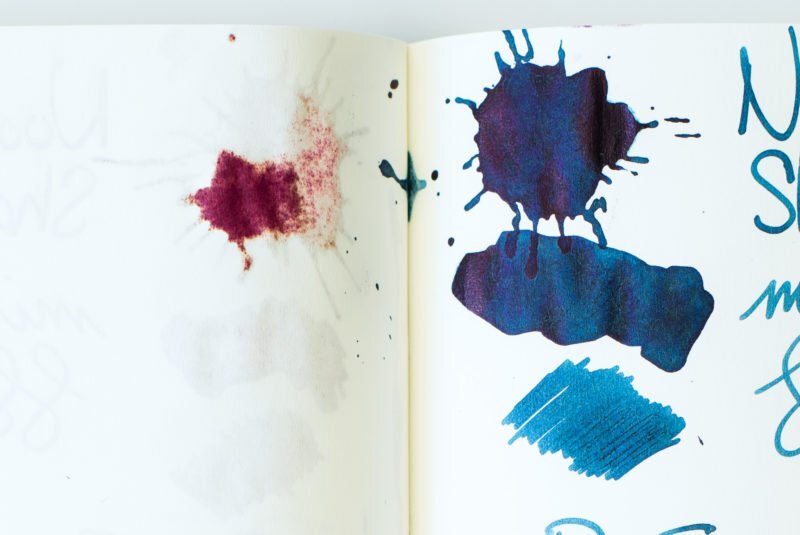
Minimizing pen bleeding and ghosting is crucial for achieving professional-looking documents and artwork. Proper techniques, both during and after the writing process, can significantly reduce these issues. This section details effective methods for preventing and correcting ink transfer problems.Effective strategies for dealing with pen bleeding and ghosting involve careful consideration of pen type, paper quality, and writing pressure.
By understanding these factors and employing appropriate techniques, the quality of your work can be significantly enhanced.
Minimizing Pen Bleeding and Ghosting During Writing
Careful pen selection and consistent writing pressure are paramount in preventing ink bleeding and ghosting. Choosing pens with a controlled ink flow and avoiding excessive pressure during writing helps maintain a clean, sharp line. Using a light touch and a steady hand can reduce ink spreading. Additionally, ensuring the paper’s absorbency matches the pen’s ink type is critical.
Addressing Pen Bleeding and Ghosting After Writing
Several methods can be used to correct pen bleeding and ghosting after the writing is complete. These techniques range from simple blotting to more complex layering and correction procedures. Choosing the right method depends on the severity of the issue and the desired outcome.
Blotting Techniques
Blotting, a common method for reducing ink transfer, involves absorbing excess ink with blotting materials. Different materials offer varying degrees of absorbency. For instance, blotting paper, specifically designed for absorbing ink, is often more effective than plain paper towels. Using a soft cloth or tissue can also be effective in certain cases, though it may not be as efficient as dedicated blotting paper.
The appropriate blotting method depends on the severity of the bleeding and the type of pen used.
Examples of Blotting Materials and Effectiveness
Different blotting materials vary in their effectiveness. High-quality blotting paper, with its tightly woven fibers, is generally more absorbent than ordinary paper towels. Soft, lint-free cloths can also be used to gently remove excess ink. The choice of material depends on the ink type and the desired level of ink removal. Heavily pigmented inks may require more aggressive blotting methods.
Excessive pressure during blotting can damage the paper and worsen the issue. Gentle blotting is key.
Correction Fluid and Marker Techniques
Correction fluids and markers can be used to address ink bleed issues. Correction fluids are often suitable for light to moderate bleeding, offering a clean way to cover or mask the affected area. Markers, especially those with a fine tip, allow for precise correction and can be used to create subtle or detailed corrections. Choosing the right correction fluid or marker depends on the ink type and the desired result.
Comparison of Correction Methods
| Correction Method | Pros | Cons |
|---|---|---|
| Blotting | Simple, readily available materials, often inexpensive, gentle on paper | May not completely remove all ink, may require multiple applications, not suitable for heavy bleeding |
| Correction Fluid | Effective for covering or masking bleeding, relatively quick | Can potentially damage paper if used improperly, may leave a noticeable residue, not suitable for all ink types |
| Correction Markers | Precise correction, can be used to create subtle or detailed corrections, often less damaging to the paper than fluid | Can be time-consuming, may require several applications, not as effective for heavy bleeding as correction fluid |
Addressing Specific Ink and Paper Issues
Understanding the interplay between ink and paper is crucial for preventing pen bleeding and ghosting. Different ink formulations and paper characteristics significantly impact how the ink behaves on the page. Analyzing these interactions allows for informed choices in selecting materials that minimize these undesirable effects.Ink formulations, paper weight, and texture all play a role in how ink spreads and interacts with the paper.
This analysis will explore these relationships to help you understand which ink-paper combinations are more prone to bleeding and ghosting.
Ink Type and Bleeding/Ghosting Tendencies
Various ink types exhibit different behaviors on different papers. Some inks are inherently more prone to bleeding or ghosting due to their composition and properties. For instance, water-based inks are often more susceptible to bleeding, while oil-based inks tend to be more resistant. Furthermore, the concentration of pigments and the presence of additives in the ink formulation influence its behavior on the paper surface.
Paper Weight and Texture Influence
Paper weight and texture directly affect ink absorption and spread. Heavier paper generally provides more resistance to ink bleeding and ghosting, as the thicker fibers create a more substantial barrier to ink penetration. Conversely, thinner paper can lead to ink spreading, resulting in bleeding or ghosting. Paper texture, whether smooth, rough, or textured, also impacts how ink distributes itself.
A smooth surface often leads to more even ink distribution, while a rough or textured surface can cause ink to spread unevenly.
Examples of Susceptible Paper Types
Certain paper types are more susceptible to pen bleeding than others. Lightweight papers, such as some inkjet papers, are known for their tendency to absorb ink readily, which can cause it to spread and bleed. Similarly, papers with a porous structure can allow ink to seep into the fibers, resulting in smudging and ghosting.
Pen and Paper Combination Risk Categorization
| Pen Type | Paper Type | Bleeding Risk | Ghosting Risk |
|---|---|---|---|
| Water-based gel pen | Lightweight inkjet paper | High | Medium |
| Pigment-based ink pen | Heavyweight drawing paper | Low | Low |
| Oil-based ballpoint pen | Thick, coated paper | Low | Very Low |
| Water-based fountain pen | Thin, absorbent paper | High | High |
| Fiber-tip pen | Rough, textured paper | Medium | Medium |
This table provides a general guideline for assessing the risk of bleeding and ghosting for different pen and paper combinations. Remember that individual ink and paper formulations can vary, so it is advisable to test a small sample area before committing to a larger project.
Advanced Techniques and Tools
Addressing pen bleeding and ghosting effectively often requires a multi-faceted approach. Beyond basic prevention strategies, advanced techniques and specialized materials can significantly reduce the risk of these issues and facilitate restoration of affected documents. This section explores these methods, emphasizing the importance of selecting appropriate tools and materials for the specific task at hand.Specialized pens and papers are crucial for preventing ink transfer and ensuring the longevity of documents.
Proper selection and use of these materials can drastically improve the quality and preservation of handwritten or drawn works.
Specialized Pens
Careful selection of writing instruments can significantly mitigate pen bleeding and ghosting. Specific types of pens are designed for archival purposes, ensuring consistent ink flow and minimal ink migration. These pens often use specialized inks formulated to resist bleeding and smudging. For instance, archival-quality pens utilize pigments that are less likely to bleed or smear compared to standard ink pens.
Examples include fountain pens with archival-quality ink and fine-tip markers designed for archival-quality documents.
Archival-Quality Paper
Choosing the right paper is essential for preventing ink transfer and maintaining the integrity of documents. Archival-quality paper is specifically designed to resist ink bleeding and ghosting. Its composition and structure contribute to its ability to prevent ink from migrating or spreading onto other areas of the document. The paper’s inherent properties, such as its pH neutrality, contribute to its archival suitability.
This paper often exhibits a smooth, dense surface that minimizes ink absorption, reducing the likelihood of ink bleeding and ghosting.
Preservation and Restoration Tools
In cases where pen bleeding or ghosting has already occurred, specialized tools and techniques can help preserve and restore the affected documents. These tools include archival-quality tissue paper, soft brushes, and archival-grade cleaning solutions. Appropriate cleaning solutions, when used carefully, can help to lift ink without causing further damage. Specific techniques for handling delicate documents should always be considered.
Employing professional restoration services for severe damage is often necessary.
Comparison of Archival Papers
| Paper Type | Ink Transfer Resistance | Other Relevant Properties |
|---|---|---|
| Acid-free cotton paper | High | Neutral pH, excellent archival qualities, often used for important documents |
| pH-neutral wood-free paper | Moderate to High | Neutral pH, suitable for many applications, less expensive than pure cotton paper |
| Rag paper | Very High | High cotton content, excellent archival qualities, often used for fine art prints |
| Cotton-fiber paper | High | Excellent for preserving historical documents, usually neutral pH, high archival quality |
The table above provides a general comparison of archival-quality papers based on their resistance to ink transfer. Factors like the paper’s composition, pH, and density contribute to its overall performance. Further research and experimentation are needed to determine the best paper type for a specific application.
Prevention Strategies for Specific Applications
Preventing pen bleeding and ghosting requires understanding the specific needs of different applications. This section delves into crucial considerations for various uses, from preserving archival documents to creating artistic masterpieces. By carefully selecting materials and techniques, the risk of these issues can be significantly minimized.Effective prevention strategies depend on recognizing the unique challenges posed by each application. Factors like paper type, ink characteristics, and writing pressure play a significant role in achieving desirable results.
Proper handling and storage practices further contribute to long-term preservation, minimizing the likelihood of ink transfer and damage.
Archival Documents
Preserving archival documents demands meticulous attention to detail to prevent ink bleeding and ghosting. The primary concern is the longevity of the document and its readability over time. Acid-free, archival-quality paper is paramount. These papers are specifically designed to resist degradation and maintain their integrity for extended periods. Additionally, archival inks are formulated to be lightfast and resistant to fading.
Gentle writing pressure is crucial to avoid damage to the paper fibers, reducing the risk of ink migration. Carefully storing documents in acid-free folders and containers further safeguards them from environmental factors.
Journals and Notebooks
Choosing the right paper and ink is critical for maintaining the integrity of journal entries. For journals, consider paper with a moderate or slightly rough surface, as it often resists ink bleeding more effectively. A slightly textured surface helps prevent the ink from spreading. Specific inks, designed for smooth writing without bleeding, can be preferred. Furthermore, consistent writing pressure and avoiding excessive pressure when writing is key to minimizing the chances of ghosting.
Avoid using too much pressure on the paper.
Artwork
In artistic applications, the potential for ink bleeding and ghosting varies significantly depending on the medium. For example, watercolor paintings and drawings often require careful consideration of paper types and inks. The selection of paper and ink should be carefully coordinated to prevent unwanted ink transfer. For example, using absorbent paper can mitigate ink bleed-through in watercolors.
Similarly, using inks designed for the chosen medium and avoiding excessive moisture or pressure are crucial steps in preventing ink spreading.
Table: Prevention Strategies for Artistic Media
| Artistic Medium | Paper Considerations | Ink Considerations | Writing Pressure | Handling/Storage |
|---|---|---|---|---|
| Watercolor | Absorbent paper; avoid highly textured paper | Watercolor inks, non-bleed inks | Gentle pressure; avoid excessive moisture | Store in acid-free folders, protect from moisture |
| Pen and Ink | Smooth, high-quality paper | Permanent, archival-quality inks | Consistent, moderate pressure | Store in archival folders, avoid excessive moisture or light |
| Mixed Media | Choose paper appropriate for each technique | Select inks compatible with each material | Adjust pressure based on technique and paper type | Store separately to prevent ink transfer |
Concluding Remarks
In conclusion, preventing and correcting pen bleeding and ghosting involves a multifaceted approach. By understanding the interplay between paper, ink, and writing techniques, you can significantly reduce the likelihood of these issues. This guide provides a robust framework for dealing with these challenges, empowering you to create professional, artistic, and archival-quality documents.