Preserving your treasured bullet journals is crucial for maintaining a record of your life’s journey and creative expression. This comprehensive guide will walk you through the process of archiving your old bullet journals, offering both physical and digital solutions. From understanding different archiving methods to choosing the right tools and supplies, you’ll gain a thorough understanding of the steps required to effectively and thoughtfully archive your valuable work.
This guide covers various aspects of archiving, from meticulous organization strategies to the importance of preserving the aesthetic and sentimental value of your journals. Whether you’re looking to transition to a digital archive, organize physical copies, or a hybrid approach, this guide equips you with the knowledge and strategies to manage your bullet journal archives effectively for years to come.
Understanding Different Archiving Methods
Archiving your bullet journal is crucial for preserving your work and ensuring easy access to your notes and ideas. Choosing the right archiving method depends on your personal preferences, the volume of your journals, and your desired level of accessibility. This section explores various approaches, from physical storage to digital solutions, and highlights the benefits and drawbacks of each.
Physical Storage Methods
Physical archiving offers a tangible connection to your work. Different methods cater to various needs and aesthetics. A well-organized physical archive can be a source of inspiration and a reminder of your journey.
- Boxes: Cardboard boxes, ranging from simple storage boxes to decorative ones, provide a simple and versatile method for storing your journals. They are excellent for organizing multiple journals or keeping them separate from other documents. Labeling the boxes clearly with dates or project names will help you find your journals quickly.
- Binders: Binders, especially those with clear plastic pockets, are ideal for keeping your journals organized and easily accessible. They allow you to arrange your pages in chronological order or by theme. Using dividers or tabs within the binder can help categorize different sections.
- Albums: Photo albums or dedicated journal albums offer a visual and aesthetically pleasing way to display your journals. They provide a structured environment to arrange and display your work. Some albums come with special pockets or dividers to maintain the organization.
Digital Storage Methods
Digital archiving offers convenience and searchability, allowing you to access your journals from anywhere with an internet connection. It also allows for potential sharing and collaboration.
- Image Capture: Capturing images of your bullet journal pages is a simple method to create a digital archive. Use high-resolution scans or photographs to ensure clarity. Ensure that the lighting is adequate to avoid shadows or reflections.
- Document Organization: Organize your captured images using folders and subfolders. Use a consistent naming convention for your files, such as “2023-03-Journal-Monthly Spread.” This structured approach allows you to easily locate specific pages.
Hybrid Archiving
A hybrid approach combines physical and digital methods. This approach often involves taking pictures of your bullet journal pages and storing the physical journals for backup.
Comparison of Archiving Methods
| Method | Physical Storage | Digital Storage | Accessibility | Cost | Durability |
|---|---|---|---|---|---|
| Boxes | Low | No | Medium | Low | Medium |
| Binders | Medium | No | High | Medium | High |
| Albums | High | No | Medium | Medium-High | Medium-High |
| Digital Archive | No | High | High | Low | Medium (depending on storage) |
Metadata for Digital Archives
Metadata plays a vital role in creating a functional digital archive. It adds context and structure to your digital images, allowing for efficient searching and retrieval. Metadata includes information such as the date, theme, and content of each journal page.
- Date and Time: Include the date and time of each spread. This is critical for chronological ordering and tracking your progress over time.
- Themes and s: Add relevant s or themes to each journal entry to improve searchability. This helps to identify related notes quickly.
- Descriptions: Include brief descriptions of the content of each page, highlighting key ideas or important notes.
Organizing Your Bullet Journals for Archiving

Archiving your bullet journals effectively hinges on a well-structured organization system. A clear and consistent method for categorizing and labeling your entries ensures that you can easily retrieve information when needed, whether for personal reflection, research, or simply revisiting past projects. This section delves into strategies for organizing your bullet journals, making the archiving process more efficient and accessible.Effective organization is paramount for making your archived bullet journals a valuable resource.
A well-defined system streamlines the process of locating specific entries, saving time and effort in the long run. This approach also ensures that the information within your journals remains easily accessible and meaningful for future reference.
Key Elements for Organizing Bullet Journals
A robust system for organizing your bullet journals for archiving involves several key elements. These include consistent labeling, logical categorization, and a well-defined system for storing the physical journals. This approach makes retrieving specific entries seamless.
Categorization Strategies
Developing a structured approach for categorizing entries is essential for efficient retrieval. Several methods can be employed, and the best one depends on the type of content you typically record in your bullet journals.
- By Date: This system is ideal for tracking events and tasks over time. Chronological order facilitates easy identification of entries related to a specific period. This is especially useful for tracking progress, events, or daily activities.
- By Project: Categorizing by project helps in locating information pertinent to a specific endeavor. This method is suitable for projects with multiple entries, making it easier to track progress and gather relevant information.
- By Theme: If your bullet journal encompasses various themes, such as budgeting, health, or personal development, categorization by theme allows for quick access to all related entries. This can be especially helpful for projects with multiple interconnected themes.
Consistent Labeling and Tagging
Implementing a consistent labeling and tagging system enhances the searchability of your entries. This involves using standardized s, codes, or symbols to represent different categories or themes.
- Standardized s: Using a predefined list of s for different topics or projects ensures consistency across all entries. This method makes it easy to search for specific information. For instance, using “budget,” “exercise,” or “travel” as s for respective categories.
- Color-Coding: Using color-coding for different categories or themes can provide a visual cue, aiding quick identification. A color-coded system for different projects or topics can be very helpful, especially when reviewing a large number of entries.
- Symbol System: Creating a symbol system for various categories or themes allows for a quick visual reference, enhancing the efficiency of retrieval. A specific symbol can be assigned to a particular category, and this can be particularly helpful when you have multiple categories.
Categorization Systems Table
The following table Artikels different categorization systems, their descriptions, potential benefits, and drawbacks, and provides a practical example.
| System | Description | Pros | Cons | Example |
|---|---|---|---|---|
| By Date | Entries are organized chronologically. | Easy to track progress over time, find entries from specific periods. | May not be ideal for projects with multiple themes. | Entries for each month or year. |
| By Project | Entries are grouped by project. | Easy to track progress on a specific project, gather relevant information. | Might make it harder to find entries related to a specific theme. | Entries for “Home Renovation Project.” |
| By Theme | Entries are organized by broad topic areas. | Easy to find all entries related to a specific theme, like “Health & Wellness.” | Might require more detailed labeling to avoid overlap. | Entries for “Financial Planning.” |
Organizing Physical Bullet Journals
Organizing physical bullet journals for easy access involves several strategies. Proper storage and a well-defined system for arranging pages or sections are essential.
- Page Organization: Use dividers, page markers, or tabs to section entries by date, project, or theme. This improves the navigation process and enables quicker retrieval.
- Storage Solutions: Consider using binders, archival boxes, or storage containers to keep your journals organized and protected from damage. This is essential for long-term preservation and usability.
- Labeling: Label each journal or section clearly with the relevant date range, project name, or theme. This facilitates quick identification and retrieval. Use a consistent system to label and tag each journal.
Choosing the Right Tools and Supplies
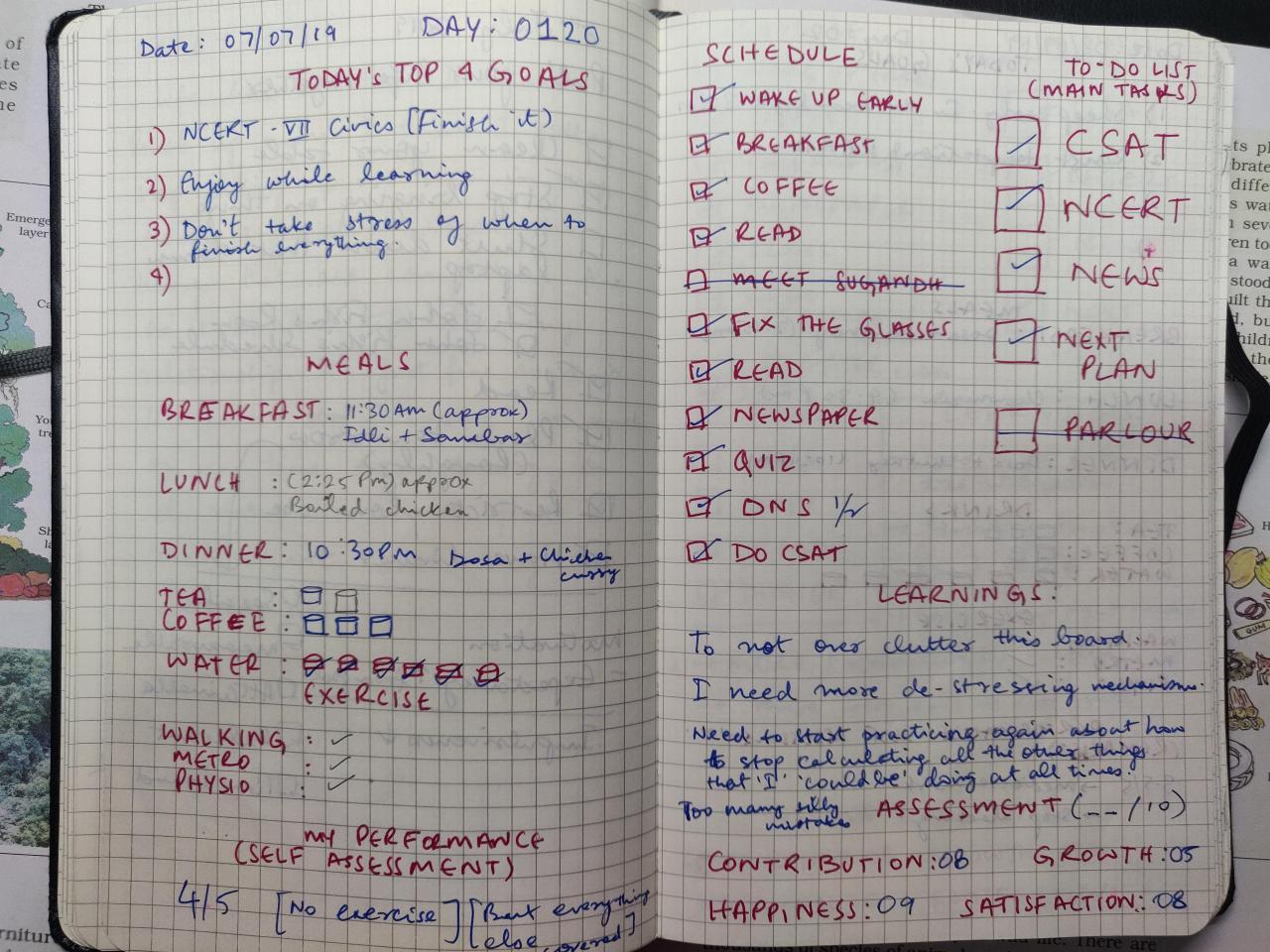
Careful selection of tools and supplies is crucial for successful bullet journal archiving. Proper archiving methods ensure your valuable records remain accessible and organized for years to come. This section details the importance of selecting appropriate tools for both physical and digital archiving, examining various options available.Appropriate tools streamline the archiving process, making it more efficient and less prone to errors.
The right choice minimizes potential damage to your journals and ensures long-term preservation.
Physical Archiving Tools
Proper storage is vital for preserving the physical integrity of your bullet journals. Selecting suitable containers, materials, and organization methods are key to maintaining the quality and readability of your work over time.
- Archival Boxes: These boxes are specifically designed to protect documents from environmental factors like humidity and light. Made of acid-free materials, they prevent the deterioration of paper and inks over time. Archival boxes are available in various sizes, allowing for customized storage solutions to suit your archiving needs. Examples include corrugated cardboard or acid-free plastic boxes, with varying sizes to accommodate different sized journals or collections.
- Binders: Binders provide a structured way to organize and preserve your journals, especially if you wish to maintain a chronological or thematic order. They allow for easy access to specific entries and facilitate review. Options include three-ring binders, which allow for adding and removing pages as needed, or other binder types designed for specific archival needs.
- Storage Materials: Acid-free archival-quality paper for inserts, dividers, and labels is essential for physical archiving. These materials will not react with your journals, preventing deterioration. Consider archival-quality packing materials to cushion your journals during transport or storage. Examples include acid-free tissue paper and archival-quality boxes, along with archival-quality tape and labels.
Digital Archiving Tools
Digital archiving offers a convenient alternative for preserving your bullet journal entries. Choosing the right software or app can help maintain your digital records.
- Cloud Storage Services: Services like Google Drive, Dropbox, or iCloud offer secure storage options for your digital journals. These services often include backup and recovery features, minimizing the risk of data loss. They typically allow access to your journals from various devices and locations, providing flexibility and accessibility.
- Digital Journaling Apps: Applications like GoodNotes or OneNote offer dedicated digital journaling spaces. These apps usually provide features like tagging, searching, and exporting, aiding in the management and organization of your journals. They may also have specific formatting options to match the structure of your bullet journals. They may provide tools to convert physical journals into digital format.
- Dedicated Digital Archiving Software: Specialized software designed for digital archiving can offer robust features for organizing and managing large collections of digital documents, including bullet journal entries. These solutions may have advanced search capabilities and advanced organization features, like categorizing journals into folders.
Comparison of Digital Archiving Tools
The effectiveness of digital archiving tools depends on their specific features. A comparison of different options will aid in selecting the most suitable tool for your needs.
| Tool | Features | Suitability for Bullet Journals |
|---|---|---|
| Google Drive | Cloud storage, file sharing, basic organization | Good for backing up and sharing, but may lack specific journaling features |
| GoodNotes | Digital journaling, annotations, formatting options | Excellent for maintaining digital versions of your bullet journals |
| OneNote | Note-taking, organization, linking features | Suitable for archiving and organizing digital journals |
Essential Supplies
A comprehensive list of supplies will help ensure a smooth and effective archiving process.
- Physical Archiving: Archival boxes, binders, acid-free paper, archival-quality packing materials, labels, and pens.
- Digital Archiving: Cloud storage account, digital journaling app, or dedicated digital archiving software.
Maintaining and Accessing Your Archives
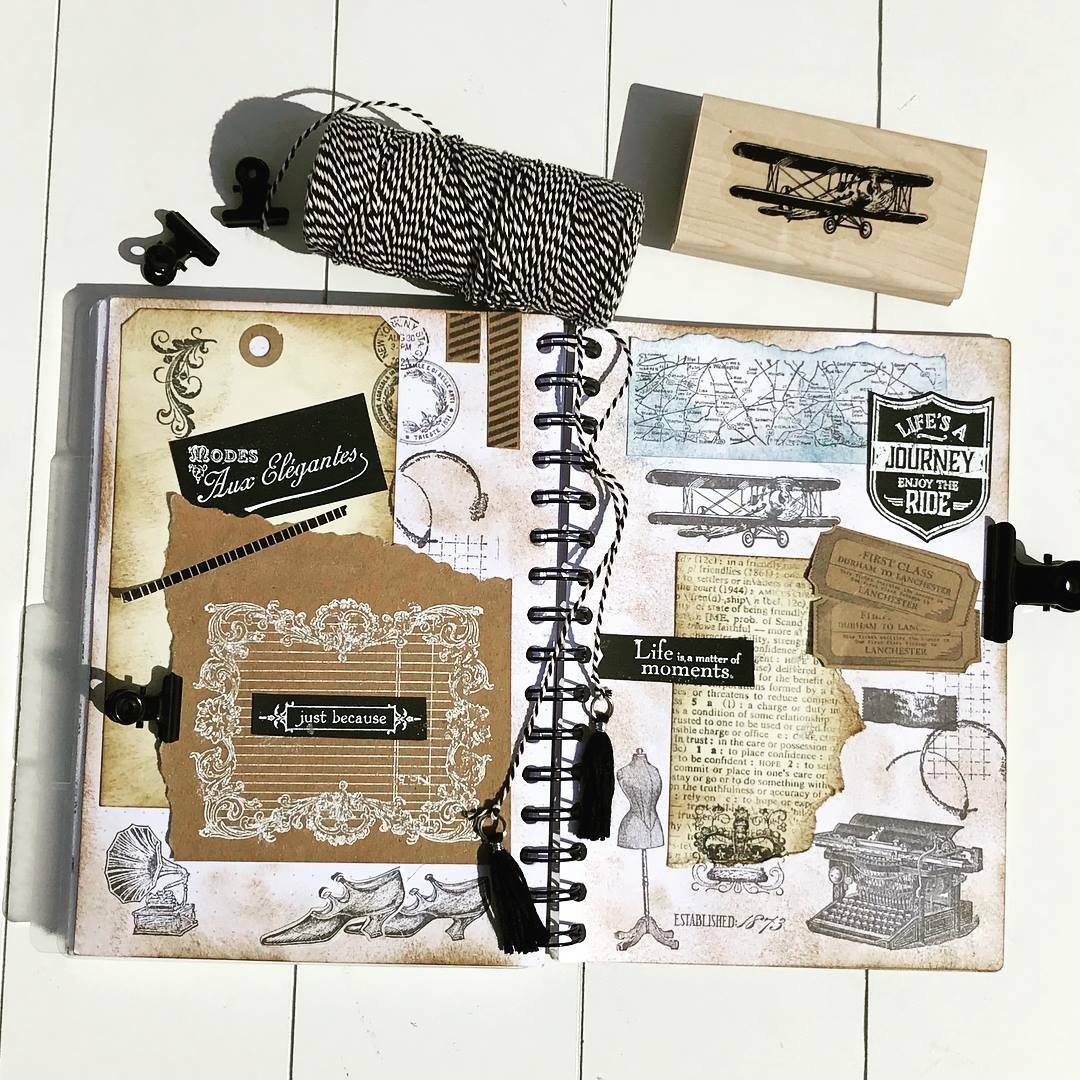
Maintaining your archived bullet journals requires a proactive approach to ensure continued accessibility and usability. Proper maintenance allows you to retrieve information quickly and efficiently, making the entire journaling experience more rewarding. This section details routines, strategies, and methods for effective archive management.Effective archiving extends beyond simply storing your journals. It involves creating a system that facilitates easy retrieval and ongoing use of the valuable insights and experiences documented within.
This section will cover practical strategies for maintaining, organizing, and accessing your archived bullet journals.
Maintaining Your Archives
Maintaining your archives requires a consistent routine to prevent the accumulation of unorganized materials. Regular review and updating of your archive system are crucial for ensuring its ongoing efficacy. Physical archives, for instance, benefit from periodic sorting and cleaning to remove extraneous materials and maintain a clear structure. Digital archives, on the other hand, need consistent backup and regular checks to ensure data integrity and accessibility.
Organizing Your Archives
Maintaining an organized archive is essential for easy retrieval. Categorization is key. This could involve using folders, labels, or tags. Consider a system that allows for easy sorting by project, theme, or date. For digital archives, utilizing metadata and tags is a practical strategy.
Consistency in the organization system is crucial.
Updating Your Archives
Keeping your archives up-to-date is critical for preserving the context and relevance of your entries. This involves reviewing and incorporating new information. If your bullet journaling style includes ongoing projects or reflections, you need a method to integrate these updates into the archive. A regular schedule for updating the archive is important, ensuring that it reflects your current work or thoughts.
Finding Specific Entries
Effective strategies for finding specific entries depend on the type of archive. Physical archives may require a thorough search or the use of indexes. Digital archives, however, can leverage advanced search features or metadata. s, dates, and tags can be valuable tools.
Efficient Access to Archived Journals
Efficient access involves a system that allows you to locate information swiftly. Physical archives benefit from clearly labeled storage and an easy-to-navigate system. For digital archives, consider utilizing search functionalities, tags, and s to locate relevant entries quickly.
Accessing Archived Journals Checklist
- Identify the journal: Determine which archived journal contains the desired information.
- Locate the journal: Find the physical or digital location of the journal.
- Review the organization system: Familiarize yourself with the method used to organize the journal.
- Use appropriate search tools: Utilize s, dates, or tags to locate specific entries within the archive.
- Review the retrieved entries: Verify that the retrieved entries match your needs.
- Record the information: Make notes of the relevant information for future reference, ensuring to document the source of the entry.
- Update the journal if necessary: If the archive is used regularly, consider making updates to reflect changes or new information.
Specific Archiving Considerations for Different Bullet Journal Types
Archiving your bullet journal effectively requires tailoring your strategy to the specific types of entries you’ve made. Different journaling styles, from meticulously detailed daily logs to project-focused spreads, demand unique approaches to ensure longevity and accessibility. This section dives into specific archiving strategies for various bullet journal types, from preserving the visual appeal of your work to ensuring that your valuable insights and records are accessible and well-organized.Archiving bullet journals goes beyond simply storing pages; it’s about preserving the essence of your creative process, thoughts, and goals.
Understanding how to properly archive each type of spread, from habit trackers to project Artikels, ensures you can readily revisit your past efforts, learn from your successes and mistakes, and use that knowledge to inform future endeavors.
Archiving Daily Logs
Daily logs, with their chronological nature, require a method for easy retrieval of specific dates and information. Consider using archival-quality boxes or folders labeled with years and months. Sorting chronologically, and perhaps even using color-coded folders or dividers for each month, can enhance organization. Scanning your daily log spreads and digitally saving them with relevant metadata (date, key events) can make searching and retrieving information even more efficient.
Archiving Habit Trackers
Habit trackers often involve visual representations of progress. For archiving, consider scanning the pages and saving them digitally. This allows you to easily view the entire history of your habits without having to handle physical pages. Alternatively, you could create a summary sheet that compiles your habit data into a more concise format.
Archiving Project-Based Journals
Project-based journals, often focusing on specific tasks and milestones, need a method that allows easy access to each project. Create dedicated folders or boxes for each project, labeling them clearly. Consider including a table of contents or an index to quickly locate specific project spreads. Digital archiving, where you save digital copies of project spreads, is also a valuable option for preserving information while allowing for easy search and retrieval.
Archiving Bullet Journal Spreads
Archiving spreads involves more than just storing the paper. It’s about preserving the visual appeal and the information contained within. Take clear, high-quality photographs of each spread, especially those with illustrations, layouts, and notes. If you have handwritten notes, consider scanning the pages instead of photographing them to retain detail. Organize your photos and scans in a digital folder, categorizing them by project, month, or theme.
Archiving Media
Bullet journals often incorporate various types of media, such as photos, stickers, and drawings. For photos, use archival-quality photo sleeves or acid-free photo albums to prevent fading or damage. For stickers, carefully remove them from the sheets and adhere them to archival-quality paper. Use archival-quality tape or glue. If possible, scan your stickers or photos and store the digital copies along with the physical archive.
This helps to maintain the visual appeal and preserve the integrity of the media.
Preserving Visual Appeal
When archiving, aim to preserve the visual aesthetic of your bullet journals. Consider using archival-quality folders or boxes to protect your spreads. Take care when handling delicate materials like stickers or illustrations. Organize your archived materials in a way that retains the visual flow of your journal, perhaps using dividers to separate sections or themes. Take care not to crease or fold pages during the process.
Archiving Strategy Comparison Table
| Journal Type | Archiving Strategy | Example | Considerations |
|---|---|---|---|
| Daily Logs | Chronological filing by year and month, digital scanning | Store 2023-January log in a folder labeled “2023-January” | Ensure easy retrieval of specific dates, maintain chronological order. |
| Habit Trackers | Digital scanning, summary sheet creation | Scan habit tracker pages, create a summary sheet with monthly/yearly totals. | Maintain visual representation of progress, facilitate quick review of habits. |
| Project-Based Journals | Dedicated folders/boxes for each project, table of contents | Create a folder for “Project: New Website,” containing all relevant spreads. | Easy access to project information, quick location of spreads. |
Preserving Your Bullet Journal’s Value Over Time
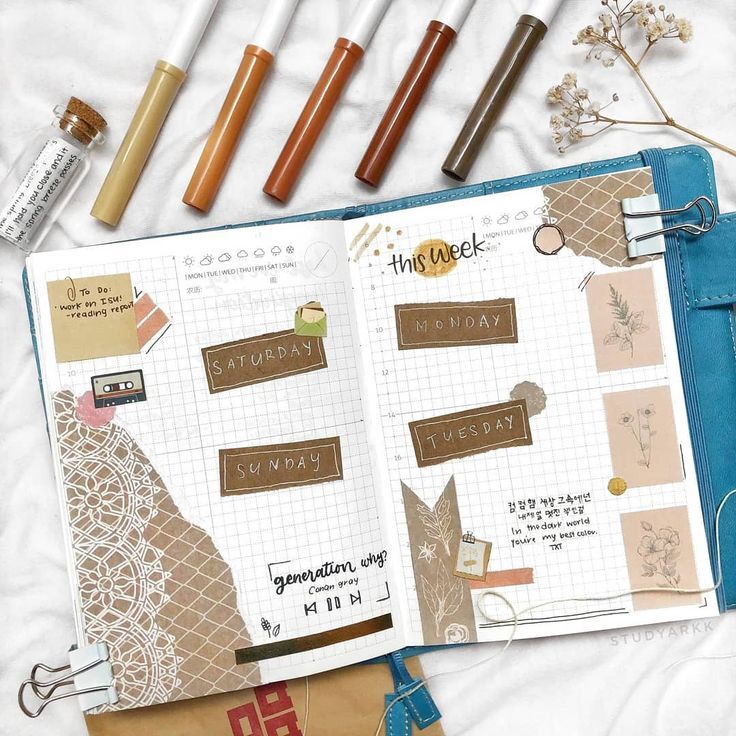
Archiving your bullet journal is more than just storing it; it’s about ensuring its longevity and preserving its value, both practical and sentimental. Proper preparation and storage techniques can significantly extend the lifespan of your journal, maintaining its aesthetic appeal and usability for years to come. This section focuses on the crucial steps to take for long-term preservation.Careful preparation for long-term storage ensures that your journal remains in excellent condition for many years.
This includes not only physical protection but also consideration for the environmental factors that can degrade your journal over time.
Preparing Bullet Journals for Long-Term Storage
Proper preparation involves more than just putting your journal in a box. It encompasses several crucial steps to protect your valuable records and memories. Thoroughly cleaning the journal and its contents is essential before archiving. This helps to remove dust, dirt, and any contaminants that could lead to damage over time. Cleaning should be done gently to avoid scratching or tearing the pages.
Protecting from Damage
Protecting your bullet journal from damage requires a multi-faceted approach. Environmental factors, like humidity and temperature fluctuations, can cause significant damage to paper and ink. Similarly, improper handling can lead to tears, creases, and other physical imperfections. Therefore, using appropriate archival-quality materials is critical. These materials are designed to withstand the test of time and resist damage from environmental factors.
Proper handling techniques, such as avoiding sharp objects or rough handling, also play a significant role in preserving the integrity of your journal. Carefully storing the journal in a sturdy, acid-free container, away from direct sunlight and extreme temperatures, will further safeguard it.
Importance of Proper Storage Conditions
Maintaining the integrity of your archived bullet journals hinges on the correct storage conditions. Ideally, these conditions should minimize the risk of damage from humidity, temperature variations, and light exposure. An environment with consistent temperature and humidity levels is best. Avoid storing journals in areas with excessive moisture or direct sunlight, which can cause fading and warping.
Acid-free archival boxes or folders are excellent choices for long-term storage. These materials are specifically designed to protect your journals from harmful chemical reactions that can degrade paper over time.
Maintaining Aesthetic and Functional Value
Maintaining the aesthetic and functional value of your archived bullet journals requires a proactive approach. Regularly checking the condition of your journals is essential to identify any potential damage early on. This includes checking for any signs of moisture, mold, or other environmental issues. If necessary, address any damage promptly. This might involve replacing damaged pages or carefully restoring the journal’s appearance.
Storing your journals in a climate-controlled environment, if possible, will also help maintain the optimal conditions for their preservation.
Preserving Sentimental Value
Preserving the sentimental value of your bullet journals is paramount. The journals hold more than just notes and plans; they often represent personal growth, experiences, and memories. Maintaining the original layout, including any drawings or doodles, is crucial. Creating a dedicated space for your archives can help to foster a sense of connection and appreciation for your bullet journals.
Creating a detailed inventory of your journals, including the dates and topics covered, can serve as a valuable record and aid in preserving the memories and emotions associated with each journal. This will also aid in future retrieval and understanding of the content.
Ultimate Conclusion
In conclusion, archiving your old bullet journals is a rewarding endeavor. By understanding various archiving methods, organizing your journals effectively, choosing the right tools, and maintaining a consistent routine, you can preserve your creative work for years to come. This guide provides a comprehensive framework for preserving the memories and insights documented within your journals, ensuring that your creative expressions remain accessible and valuable for future reference and reflection.